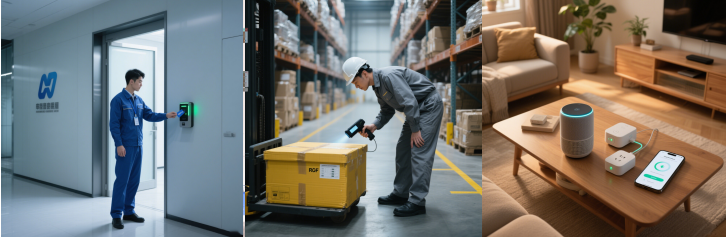
RFID (Radio Frequency Identification) technology has become a crucial tool in enabling intelligent management across many industries, thanks to its contactless automatic identification capability. A typical RFID system consists of RFID tags, readers, and a data processing system. The tag stores specific electronic data that can be automatically read and transmitted when it comes close to a reader—no manual intervention required.
In access control, RFID makes managing entries and exits more efficient. Employees can simply carry a work badge with an embedded RFID tag to quickly enter or leave office areas. In logistics, RFID tags allow full-process tracking of goods, providing real-time updates on location and status. Smart home devices use RFID to enable automatic interaction and control between devices. In short, RFID is now deeply integrated into our work and lives, significantly improving management efficiency and user experience.
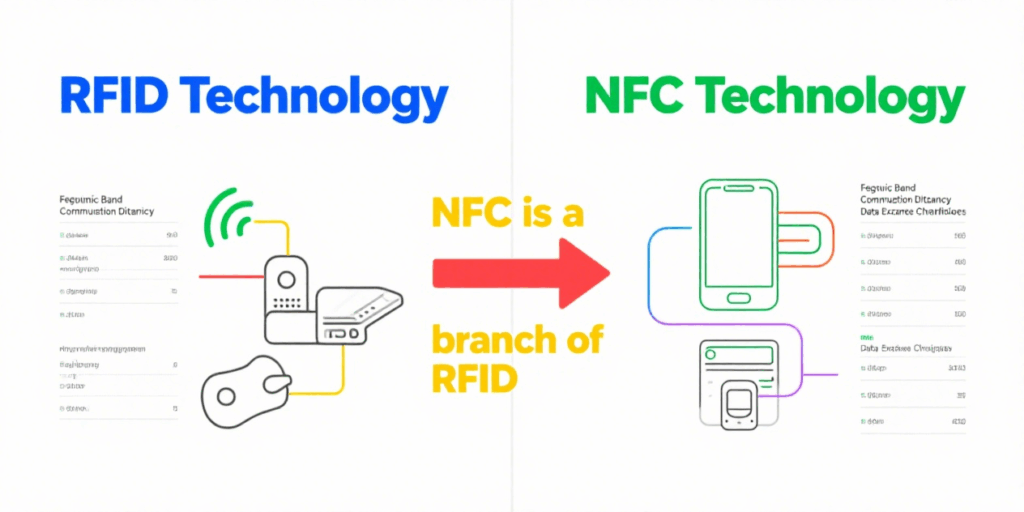
Given the widespread application of RFID, a natural question arises: Can a smartphone act as RFID tag? To answer this, we first need to understand the relationship between RFID and NFC (Near Field Communication). NFC is actually a subset of RFID. It operates on the 13.56 MHz frequency and typically functions within a range of a few centimeters. Compared to traditional RFID, NFC emphasizes two-way, point-to-point rapid data exchange and has lower power consumption.
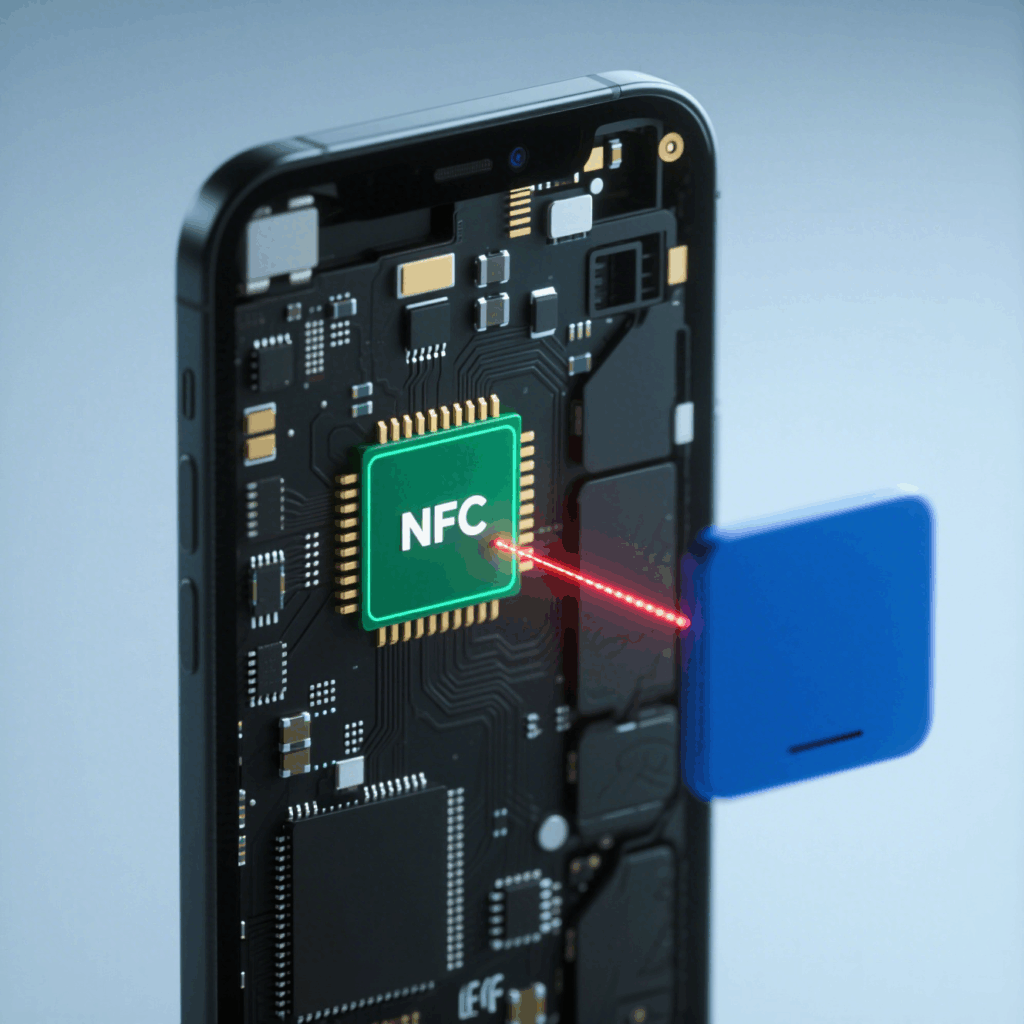
From a technical standpoint, smartphones can act as RFID tags—but with limitations. Strictly speaking, they can only simulate NFC tags operating at the 13.56 MHz frequency. This is because some smartphones are equipped with built-in NFC chips that enable data interaction with external NFC readers. In specific scenarios, they can simulate NFC tags and perform data transmission.
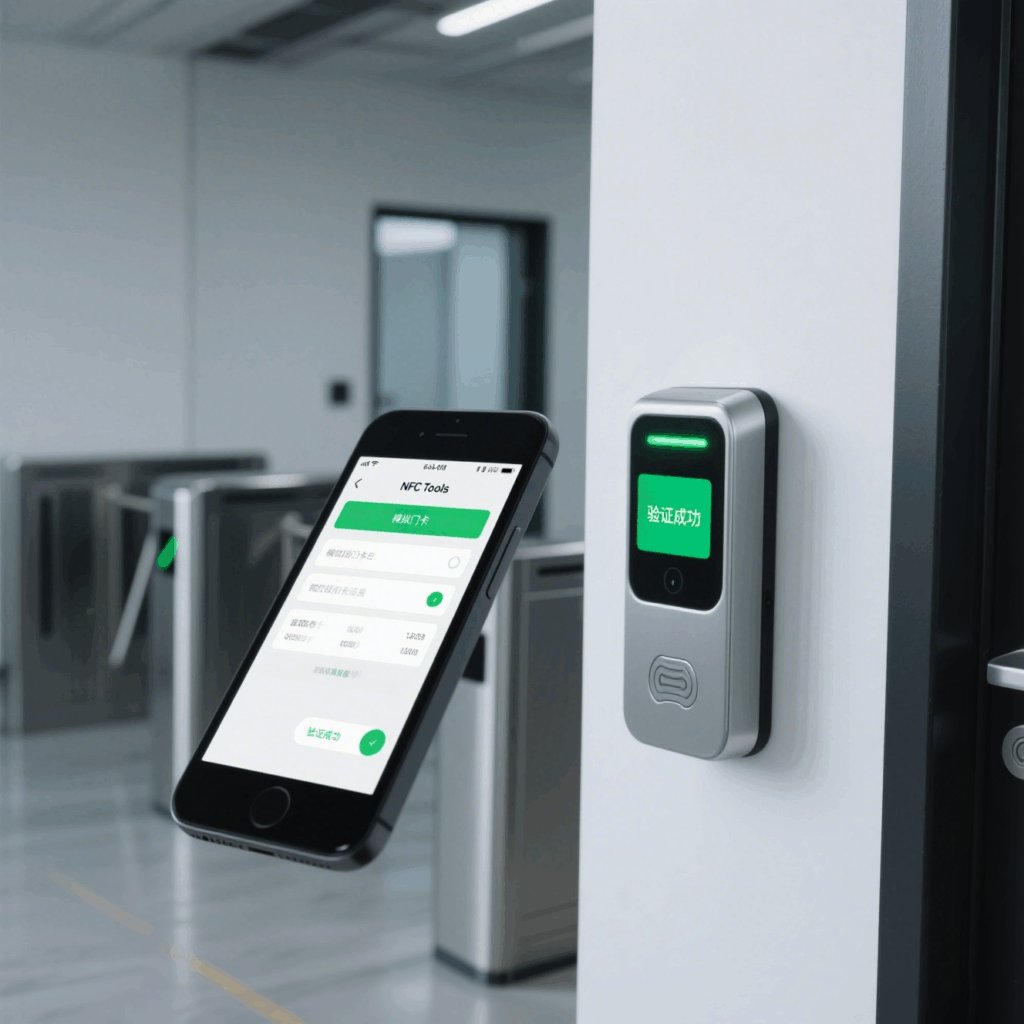
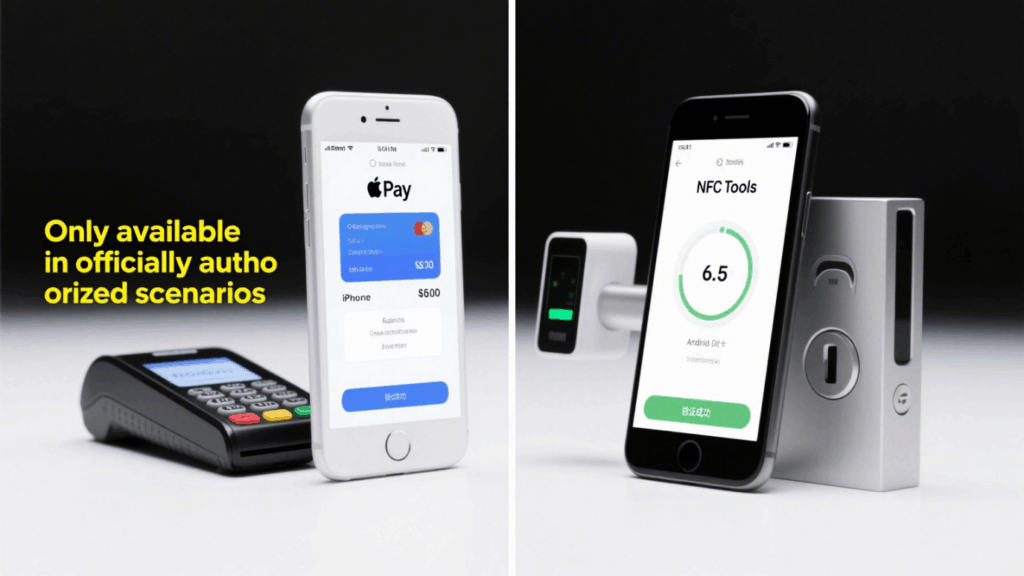
On Android devices, users enjoy greater flexibility in using their phones as NFC tags. For example, on Android phones, users can enable NFC functionality and use apps like NFC Tools to configure their phones to simulate different NFC tag data. Whether it’s storing business card info or emulating access control credentials, it’s easy to set up. Once configured, placing the phone near a compatible NFC access reader will complete identity verification—just like a physical NFC tag.
However, iPhones face more restrictions when simulating RFID tags. Although iPhones are equipped with NFC chips, Apple enforces strict permissions on NFC functionality. In iOS, ordinary users cannot directly configure their phones to simulate NFC tags. NFC functions are limited to official Apple-authorized uses, such as Apple Pay and certain public transit systems. Although Apple has gradually opened up some NFC features, allowing certain third-party apps to read NFC data, full tag simulation is still not possible.
For phones without NFC capability or for those wanting broader RFID applications, there are some alternatives. For example, connecting an external RFID device to a phone via Bluetooth can turn the phone into a control terminal to indirectly enable RFID-like functionality. Another option is using QR code-based solutions. While different in principle, they can also fulfill needs like quick identification and data exchange in areas such as digital ticketing or identity verification.
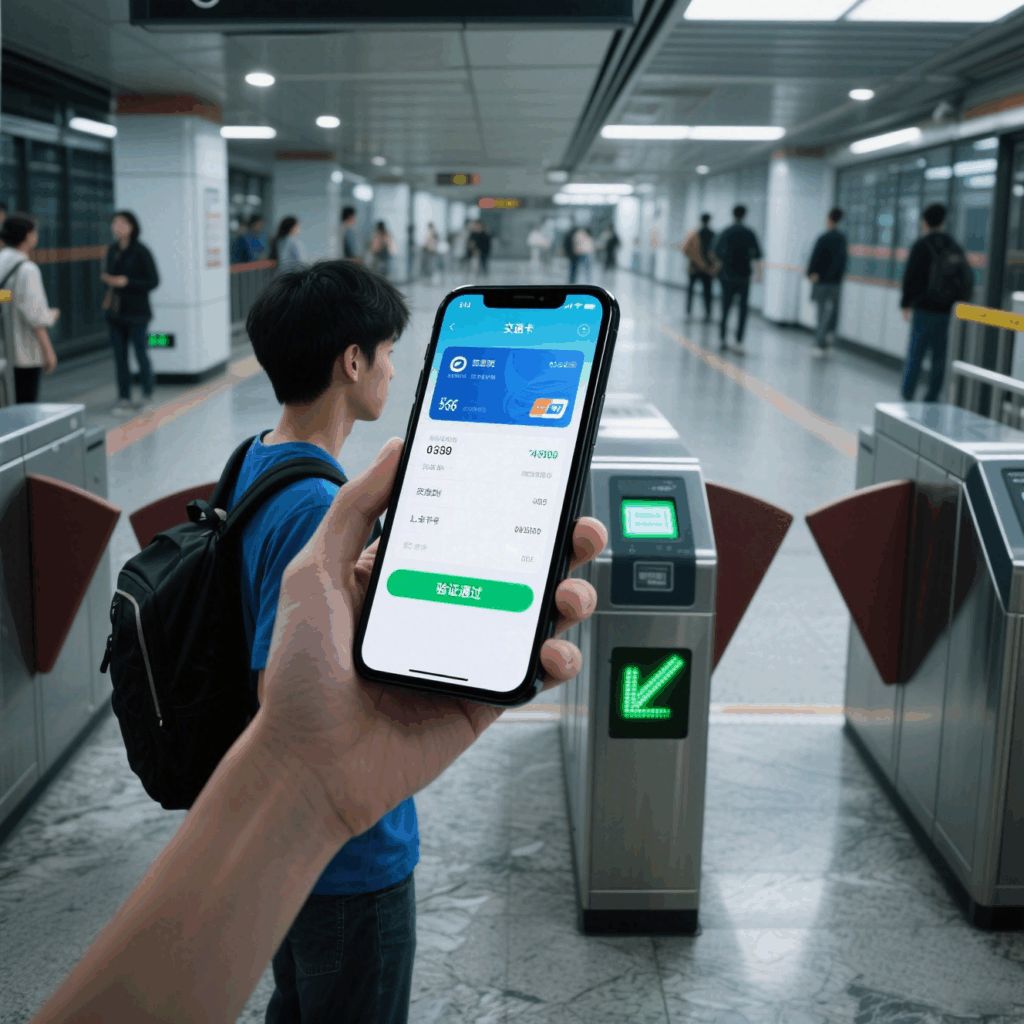
Smartphones acting as RFID tags are already being applied in various fields. In public transit and digital ticketing, many cities allow passengers to use phone-based NFC to board subways and buses. By binding a transit card to the phone’s wallet app, users can simply tap their phone near a turnstile reader—no physical card needed, making travel more convenient.
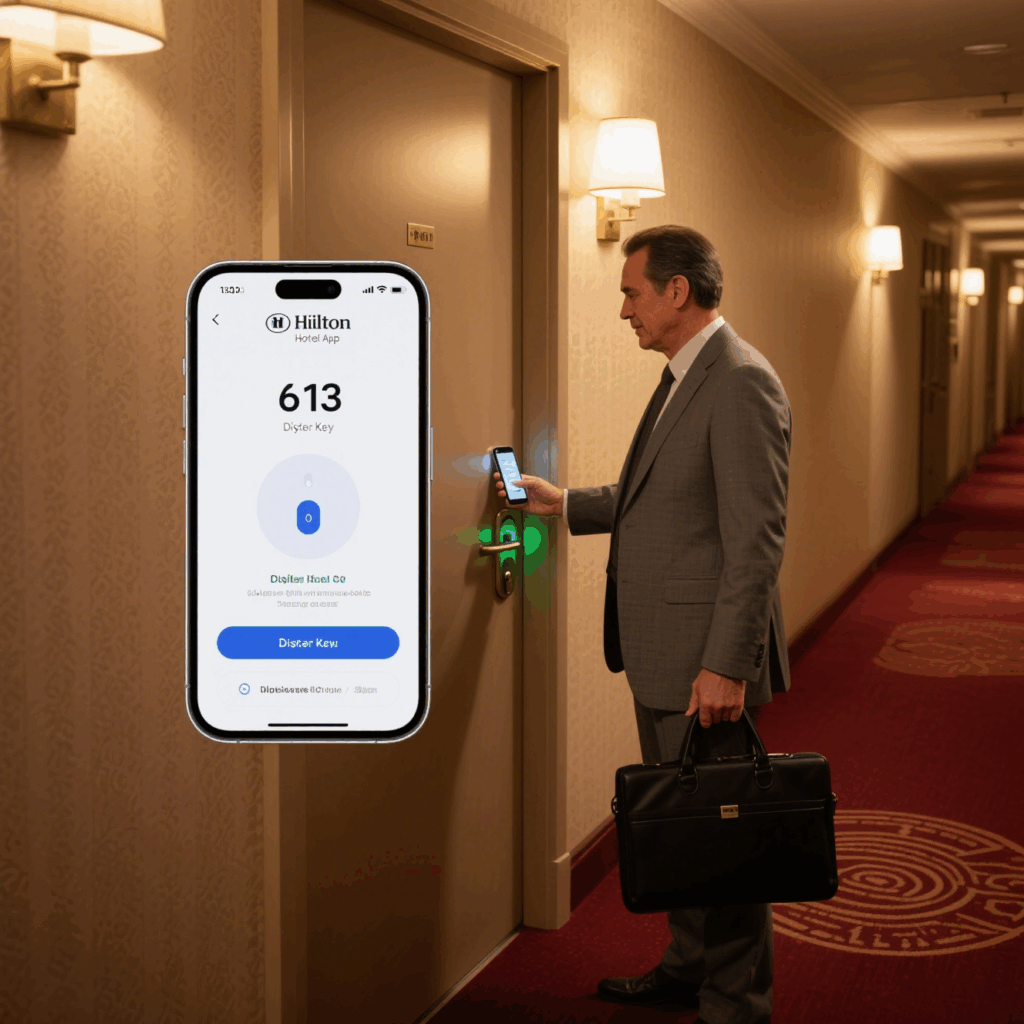
The hotel industry is also embracing this tech. Take Hilton’s Digital Key for instance: after checking in via the hotel’s official app, the guest’s phone becomes the room key. Upon arrival, there’s no need to visit the front desk—just hold the phone near the room’s NFC reader to unlock the door, enhancing both guest experience and hotel service efficiency.
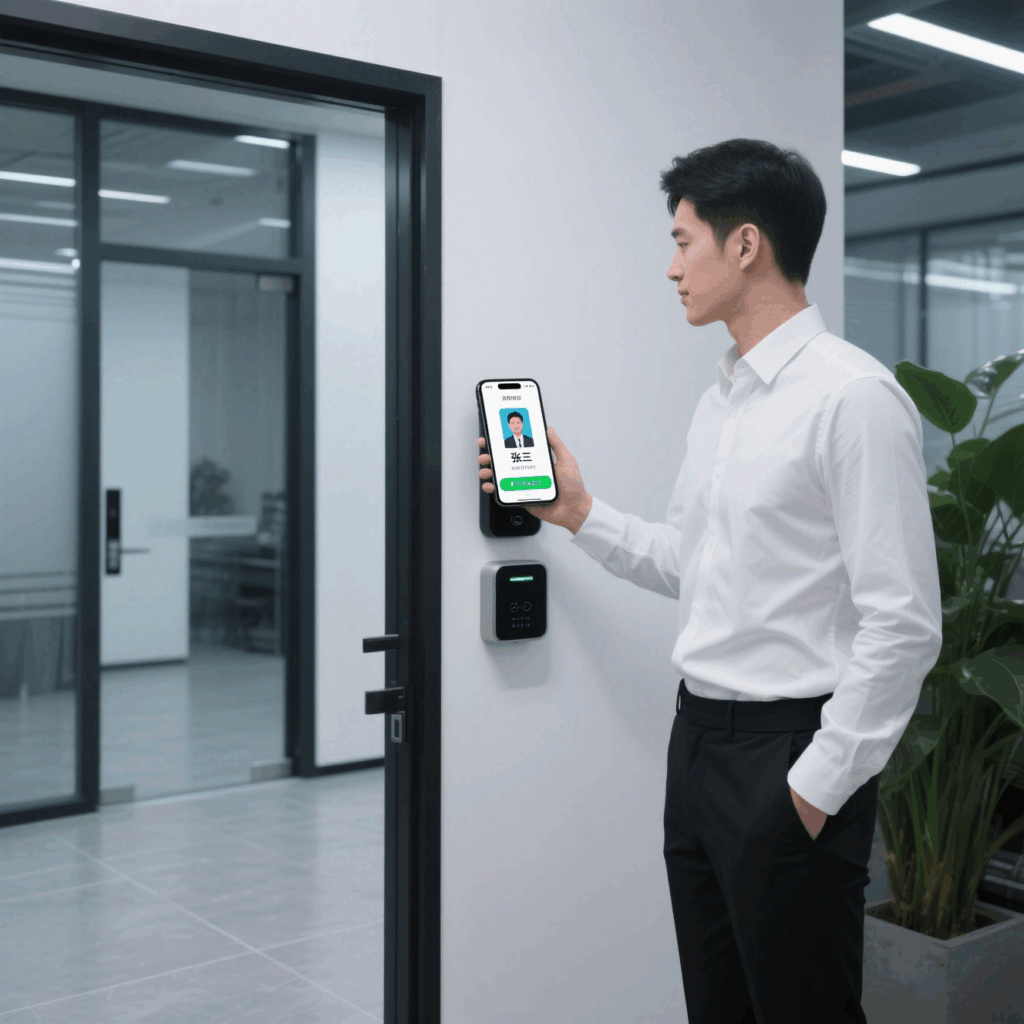
In offices, some companies are using Android-based smartphone access systems. Employees can simulate their access badges on their phones and tap them at the door reader to enter, improving access efficiency and reducing the risks associated with lost or cloned physical access cards.
NFC-based marketing campaigns are also on the rise. Brands embed NFC zones into posters or displays, allowing consumers to tap their phones to automatically open a website, product page, or receive digital coupons—blending online and offline interactions in a novel way. This not only enhances user engagement but also boosts campaign effectiveness.
In summary, smartphones can act as RFID tags, but only within NFC-compatible environments. Android offers more flexible customization and simulation of various NFC tag types, while iPhones are more restricted due to system limitations. As technology evolves, we may see more breakthroughs—enabling smartphones to play an even larger role in RFID applications, bringing more convenience and innovation to both work and everyday life.
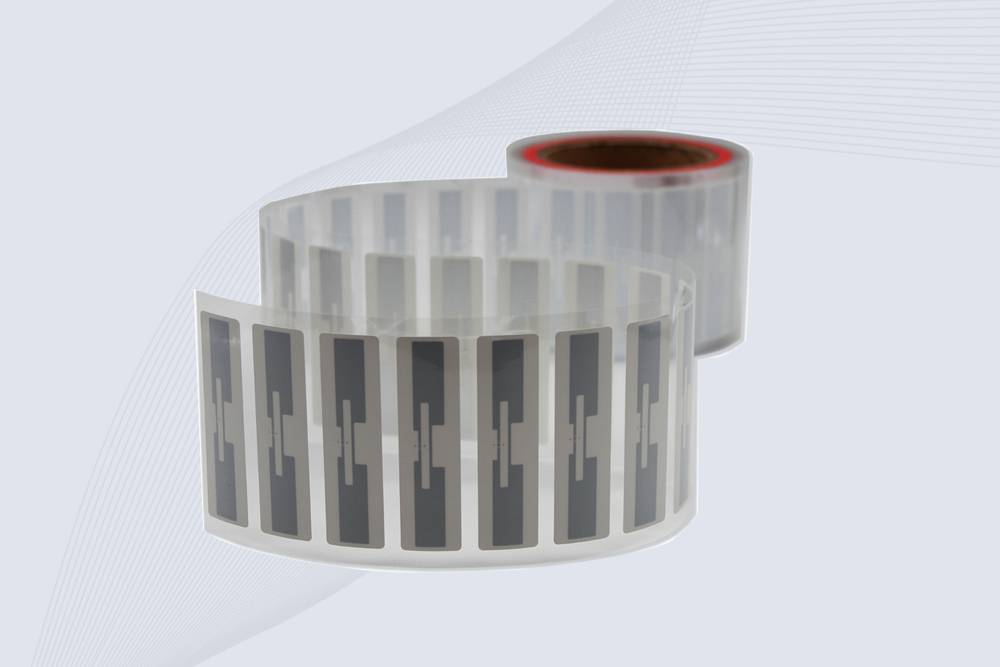
CYKEO Passive RFID Tags are made for wet and high-humidity environments where standard labels do not last. This rfid passive tag is often used around liquids, chemicals and temperature changes, providing stable reading distance and long data life for industrial tracking.
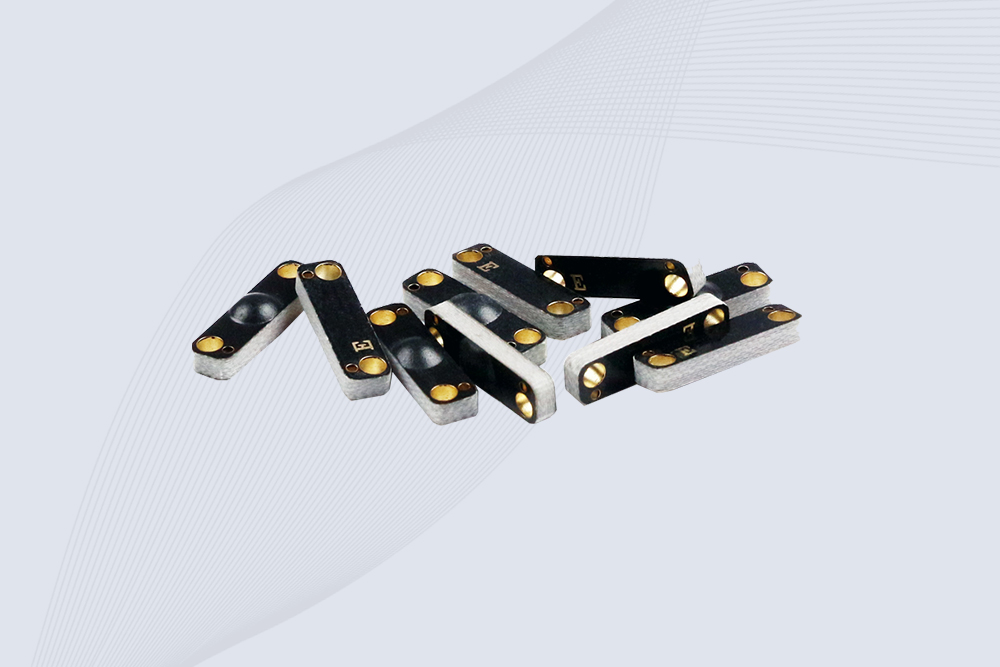
CYKEO CYKEO-PCB1504 Metal RFID Tags is a compact anti-metal UHF RFID solution built for direct mounting on metal surfaces. With stable 8-meter read range, Ucode-8 chip, and long data retention, this rfid metal tag fits tools, containers, automotive parts, and industrial asset tracking.
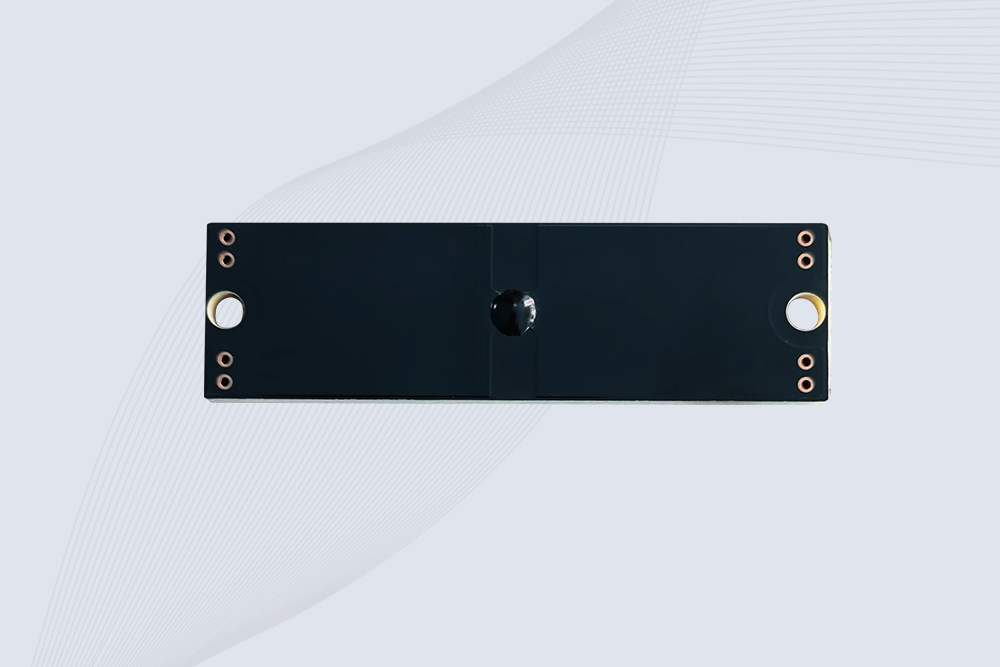
CYKEO CYKEO-PCB7020 On-Metal RFID Tags are designed for reliable tracking on steel and metal surfaces. Built with an FR4 epoxy body and industrial-grade chips, these On-Metal RFID Tags deliver stable performance, long data life, and chemical resistance, making them a dependable RFID anti-metal tag for harsh environments.
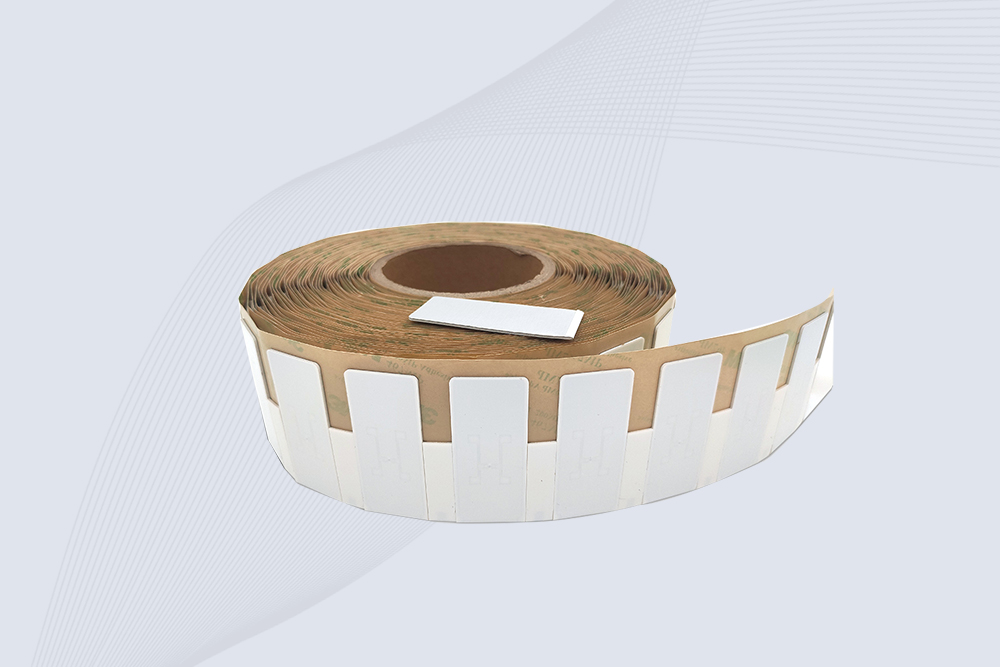
The CYKEO CYKEO-60-25 Anti-Metal RFID Tag is built for metal surfaces where standard tags fail. Designed for long-range performance, harsh environments, and stable data retention, this Anti-Metal RFID Tag is ideal for industrial assets, containers, and equipment tracking using on metal RFID tags.
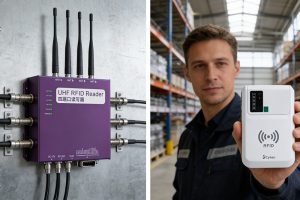
Wondering if an RFID antenna and reader are two separate devices? We explain the difference between integrated readers and systems with external antennas. Real guidance from CYKEO engineers.
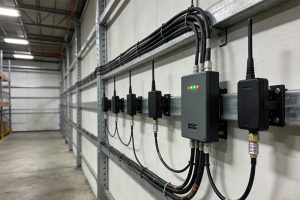
Struggling with RFID range or unstable readings? Your antenna cable might be the problem. Here’s a practical guide for bulk buyers on choosing the right RFID cables.
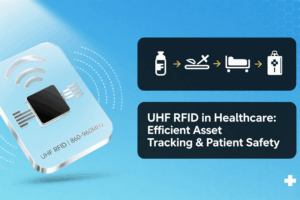
UHF RFID tags offer long-range reading, high-speed identification, and batch scanning capabilities. This article introduces the fundamentals of UHF RFID, its tag types, and key applications in hospital equipment tracking, consumables management, a...
 Cykeo RFID IoT Solution Products R&D Manufacturer