 Cykeo RFID IoT Solution Products R&D Manufacturer
RFID for Small Businesses: Cost-Effective Tools to Streamline Growth
772Discover budget-friendly RFID solutions tailored for small businesses. Learn how to reduce errors, save time, and scale operations without breaking the bank.
MoreAll RFID Product
In the world of RFID systems, some questions never go away:
Can aluminum foil really block RFID signals?
Can smartphones read RFID tags directly?
Why does the same tag read meters away one moment, but barely respond the next?
These aren’t just user questions — they’re also daily frustrations for RFID solution providers during field deployments.
Let’s break them down, one by one, with real-world logic instead of textbook jargon.
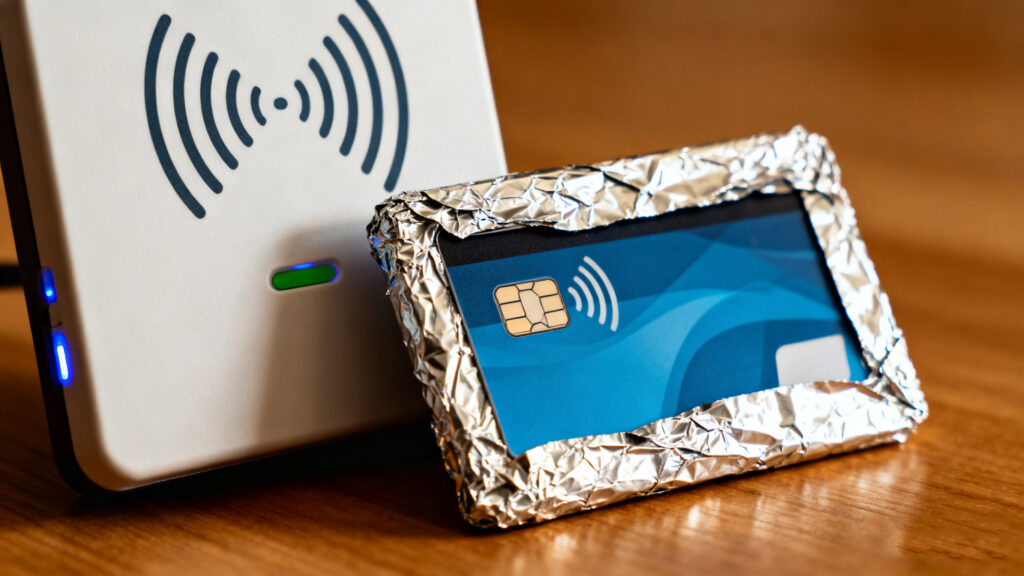
Technically, yes. Aluminum foil can reflect or absorb electromagnetic waves, cutting off the energy link between the tag and the reader.
Wrap your card or passport in foil, and you’ll likely prevent most scans.
But here’s the catch — it’s unreliable.
In short, aluminum foil works like an emergency raincoat — fine in a pinch, but not something you’d wear every day.
If you need consistent protection, go for RFID-blocking products like shield cards, wallets, or pouches.
They’re designed with conductive layers and sealed structures that actually last.
A common misconception: “If my phone can scan a QR code, it should read RFID too.”
Not quite.
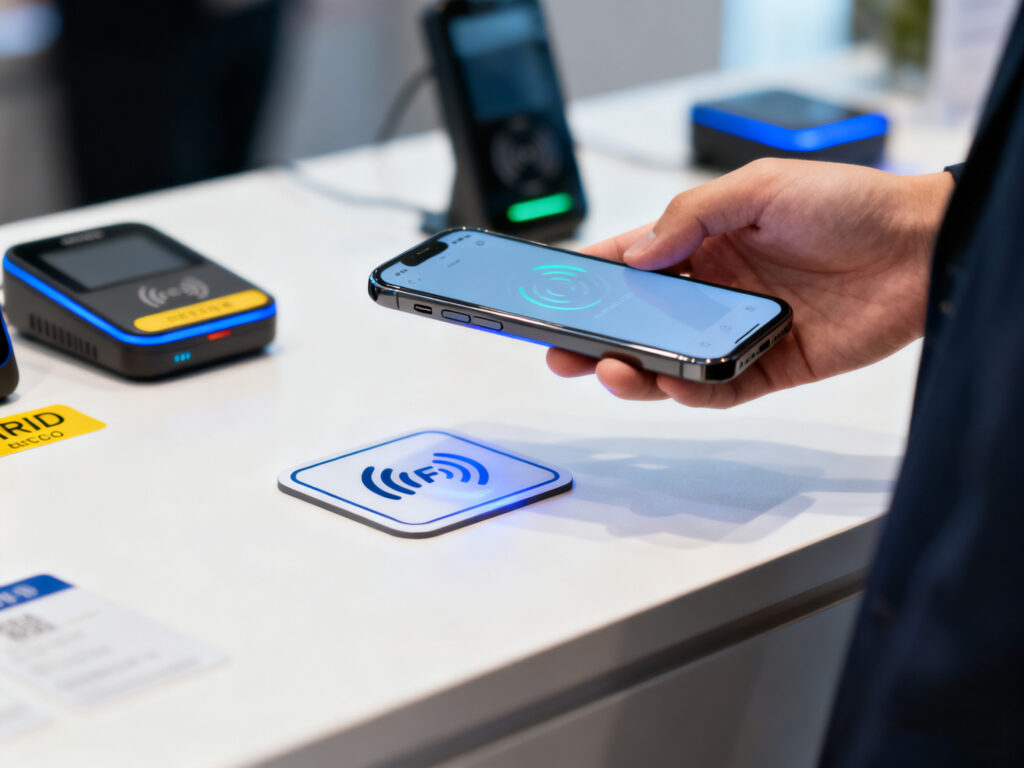
Smartphones use NFC, which is technically a subset of HF RFID (13.56 MHz).
That means your phone can read tags like access cards, transport cards, or NFC business stickers — all within a few centimeters.
However, most smartphones cannot read UHF tags (860–960 MHz).
UHF requires stronger power output and a much larger antenna — hardware your phone doesn’t have.
Unless you’re using an external UHF reader that connects to your phone, it’s simply not possible.
Takeaway for solution providers:
When clients ask, “How far can this tag be read?”, there’s no single answer.
Reading range isn’t a fixed number — it’s a product of multiple variables.
Key factors include:
So, instead of focusing on the “maximum distance” in a spec sheet, test in real conditions —
with actual materials, positions, and interference sources.
That’s how reliable systems are built, not by chasing theoretical numbers.
For everyday users:
For solution providers:
Yes, in many cases it does. Aluminum foil can reflect and absorb radio waves, which interrupts the signal between an RFID tag and a reader. When a card or tag is fully wrapped in foil, the reader usually cannot power the chip or receive its response.
That said, foil isn’t a perfect shield. If the wrapping has gaps or thin spots, signals can still leak through. It’s also easy for foil to tear after a few days in a pocket or bag. So while it can block RFID temporarily, it’s not the most dependable solution for long-term protection.
In practice, even one continuous layer of aluminum foil can reduce or stop many RFID scans. The key factor isn’t really the number of layers—it’s whether the foil forms a complete barrier around the card.
If the foil is loosely wrapped or has small openings, signals may still reach the tag. Some people add two or three layers just to be safe, but that mainly helps cover small gaps rather than increasing the shielding strength dramatically.
For daily use, products designed for RFID shielding usually work better because the conductive layer is built into the material and doesn’t break easily.
For deeper technical explanation of how many layers of foil to block rfid, see this related guide:how many layers of foil to block rfid real world diy guide
It can, but only under certain conditions.
When a tag is completely surrounded by foil, the RFID reader’s signal struggles to reach the chip. The metal layer reflects the energy that normally powers the tag, so the scanner often receives no response.
However, not all RFID systems behave the same way. Different frequencies—LF, HF, and UHF—react differently around metal surfaces. In some situations the signal might bounce around the foil and still find a way to couple with the tag.
So yes, foil can block RFID scanners, but the effectiveness depends on how well the tag is covered and what type of RFID system is involved.
Many people assume that wrapping an RFID card in aluminum foil is a simple and effective way to block unauthorized scanning, but the reality is a bit more nuanced. This article breaks down how RFID signals actually work, whether aluminum foil really provides reliable protection, and where DIY solutions fall short compared to purpose-built RFID-blocking products. If you’re looking for a practical way to secure your contactless cards and avoid common misconceptions, this is a quick and insightful read worth checking out.
It might help a little, but it’s not something you should rely on.
A small piece of foil placed inside a wallet can reduce signal penetration, especially if it sits between the card and the outside environment. But wallets move, fold, and wear out over time. Once the foil bends or cracks, the shielding effect drops quickly.
RFID-blocking wallets or sleeves are generally more reliable. They use a conductive fabric layer that stays intact even after months of use. In other words, foil can work as a quick DIY fix, but purpose-built RFID shielding products are a lot more consistent.
RFID technology isn’t mysterious — it’s just invisible.
Once you understand what blocks signals, what smartphones can actually do, and what affects reading range,
you’ll stop guessing and start designing smarter.
In the end, mastering RFID isn’t about theory — it’s about knowing how it behaves in real life.
User Guide
How to Remove RFID Tags from Clothing Safely (Without Ripping Your Shirt)
The Truth About RFID Signals: Aluminum Foil, Smartphones, and Reading Range Explained
How Security Tag Readers Work: RFID vs. Magnetic Systems – Which Is More Efficient?
How to Deactivate RFID Tags Without Guesswork or Myths?
How to Test RFID Tags with Phone
How to Test RFID Tags with Your Smartphone (No Scanner Needed)
How to Use Android Phone to Emulate RFID Tag: Full Tutorial and Application Guide
Can Your RFID Tags Reader iPhone ? Here’s How It Actually Works
Can You Use an NFC Phone as an RFID Tag?
How to Choose the Right RFID Tag for Clothing? Materials, Packaging & Attachment Explained
Industrial Essentials: 2025 Guide to the Most Durable Rugged RFID Tags
Active RFID Tag Range: The Real Difference Between Active and Passive Tags
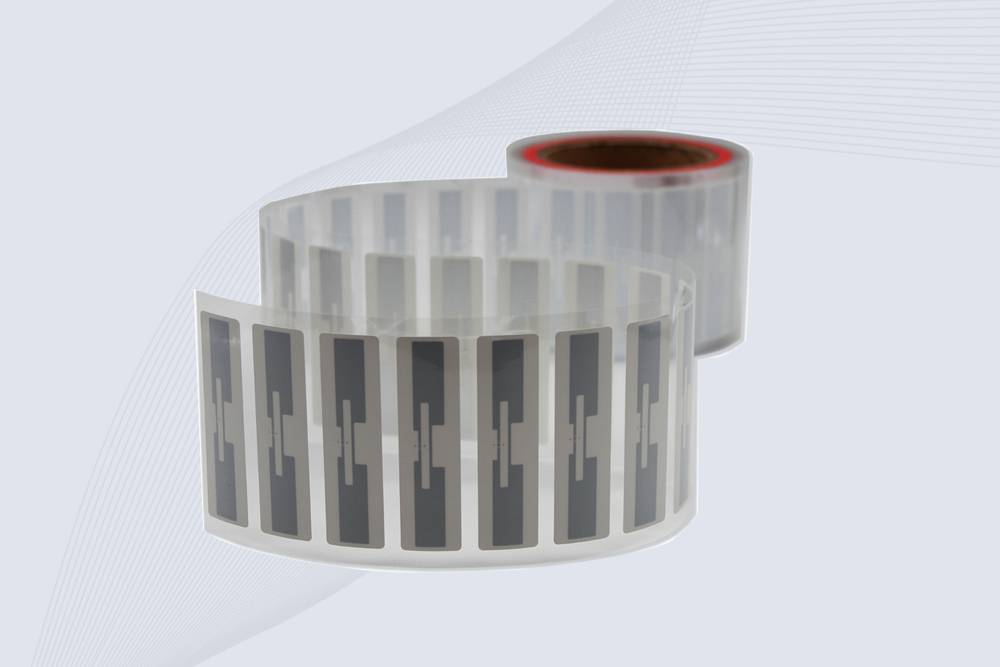
CYKEO Passive RFID Tags are made for wet and high-humidity environments where standard labels do not last. This rfid passive tag is often used around liquids, chemicals and temperature changes, providing stable reading distance and long data life for industrial tracking.
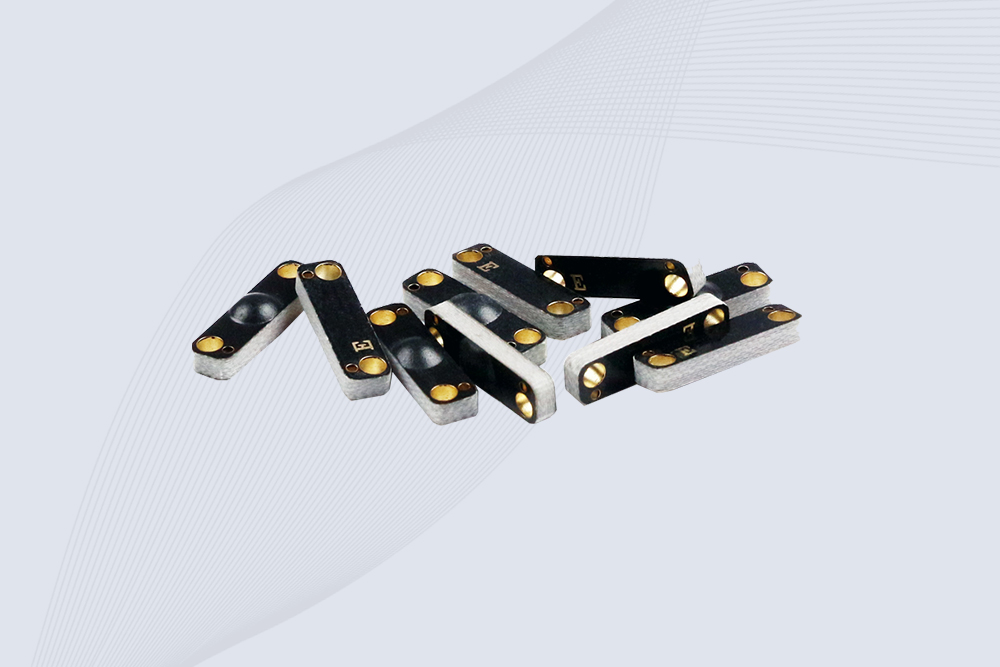
CYKEO CYKEO-PCB1504 Metal RFID Tags is a compact anti-metal UHF RFID solution built for direct mounting on metal surfaces. With stable 8-meter read range, Ucode-8 chip, and long data retention, this rfid metal tag fits tools, containers, automotive parts, and industrial asset tracking.
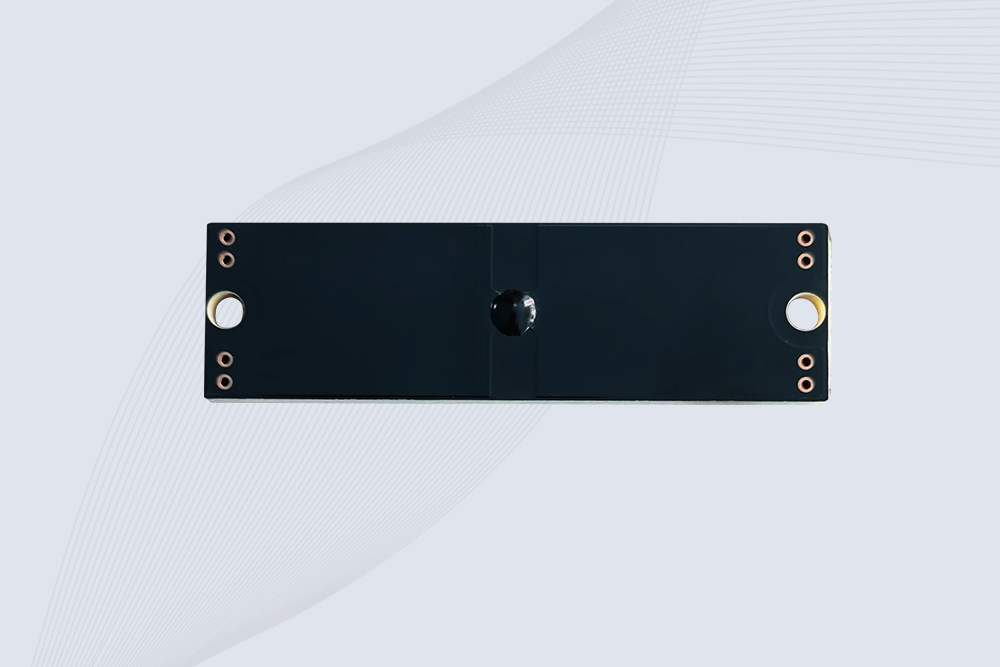
CYKEO CYKEO-PCB7020 On-Metal RFID Tags are designed for reliable tracking on steel and metal surfaces. Built with an FR4 epoxy body and industrial-grade chips, these On-Metal RFID Tags deliver stable performance, long data life, and chemical resistance, making them a dependable RFID anti-metal tag for harsh environments.
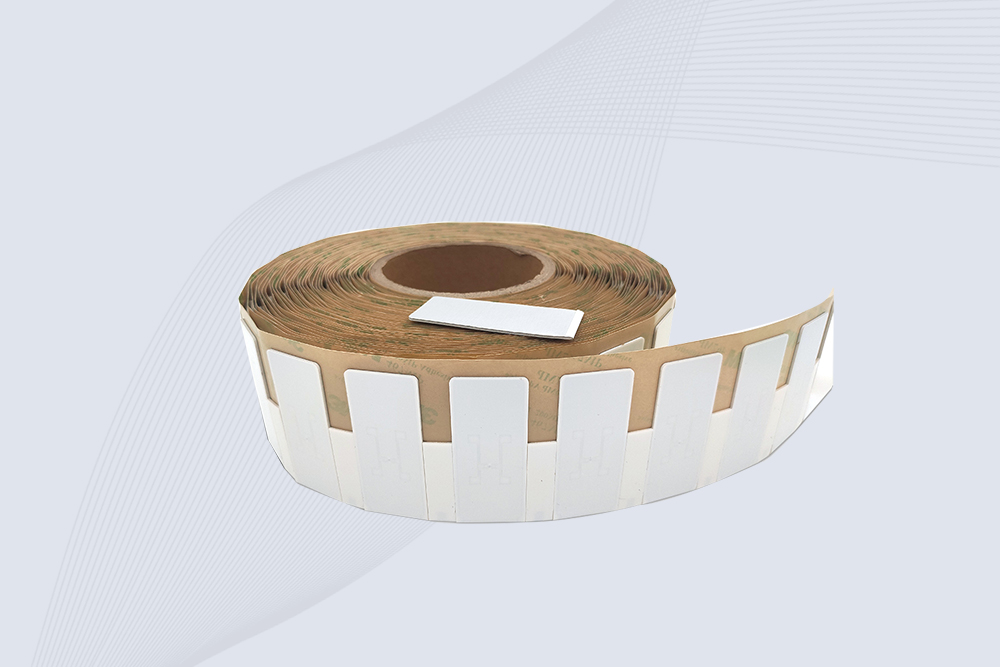
The CYKEO CYKEO-60-25 Anti-Metal RFID Tag is built for metal surfaces where standard tags fail. Designed for long-range performance, harsh environments, and stable data retention, this Anti-Metal RFID Tag is ideal for industrial assets, containers, and equipment tracking using on metal RFID tags.
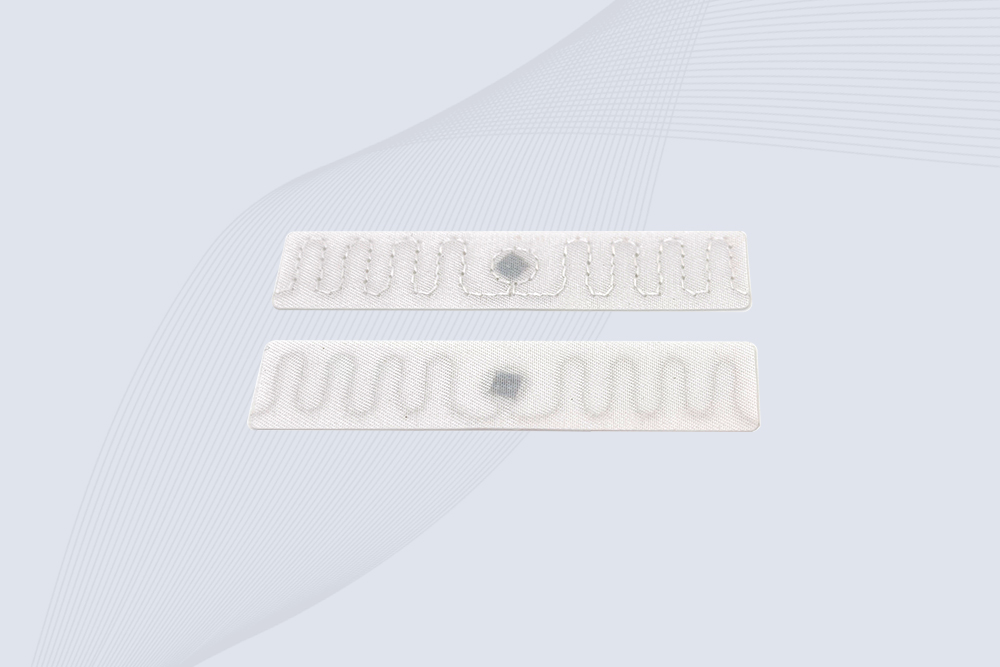
The CYKEO RFID Laundry Tag is designed for long-term textile identification in harsh laundry environments. Built to withstand high heat, chemicals, and repeated washing, this RFID Laundry Tag delivers stable performance for hotels, hospitals, and industrial laundry operations using laundry rfid tags at scale.
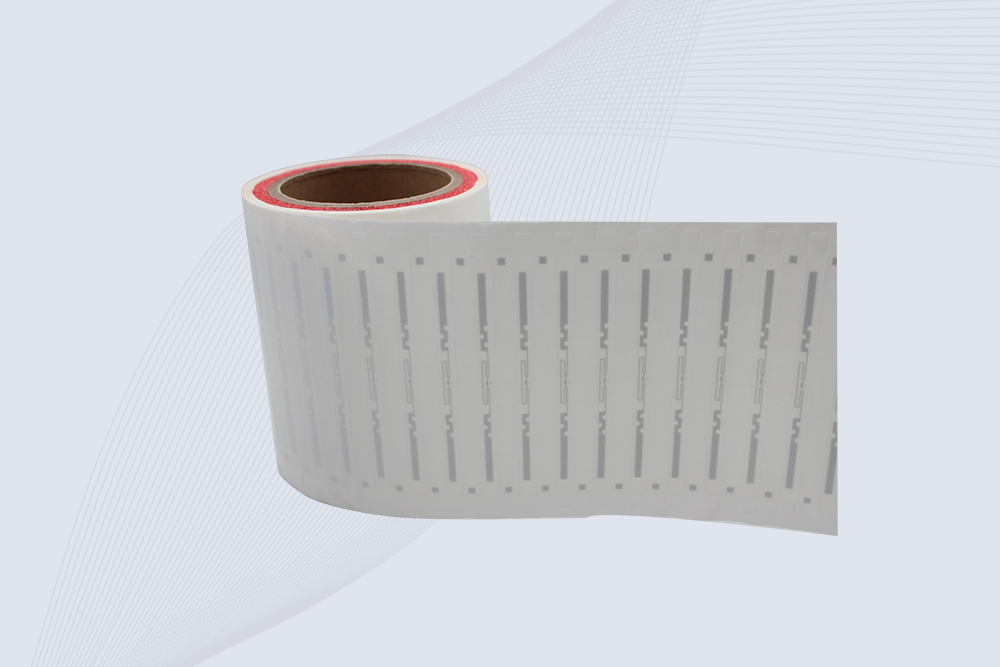
The CYKEO CYKEO-125-7 RFID Book Tag is designed for reliable book and document tracking in libraries and archives. This RFID Book Tag delivers long read range, dense placement support, and stable performance on shelves, making it a practical rfid tag on books for library automation, file management, and archival systems.
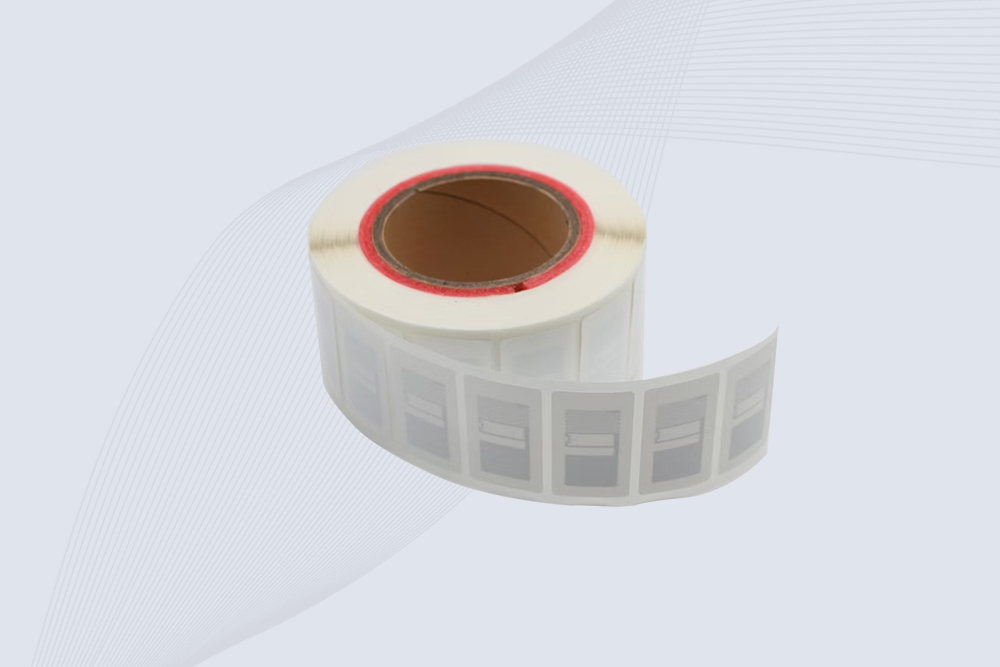
CYKEO RFID tags in hospitals are designed for sterile environments where accuracy matters. These autoclavable RFID tags support long-term tracking of surgical tools, implants, and medications, helping hospitals improve visibility, compliance, and patient safety.

CYKEO RFID Cable Tie Tag is built for reliable identification on metal surfaces. This UHF RFID Cable Tie Tag is widely used in rfid tags for inventory systems, industrial asset management and Hospital RFID Tags, offering stable read performance, long service life and global EPC Gen2 compatibility.
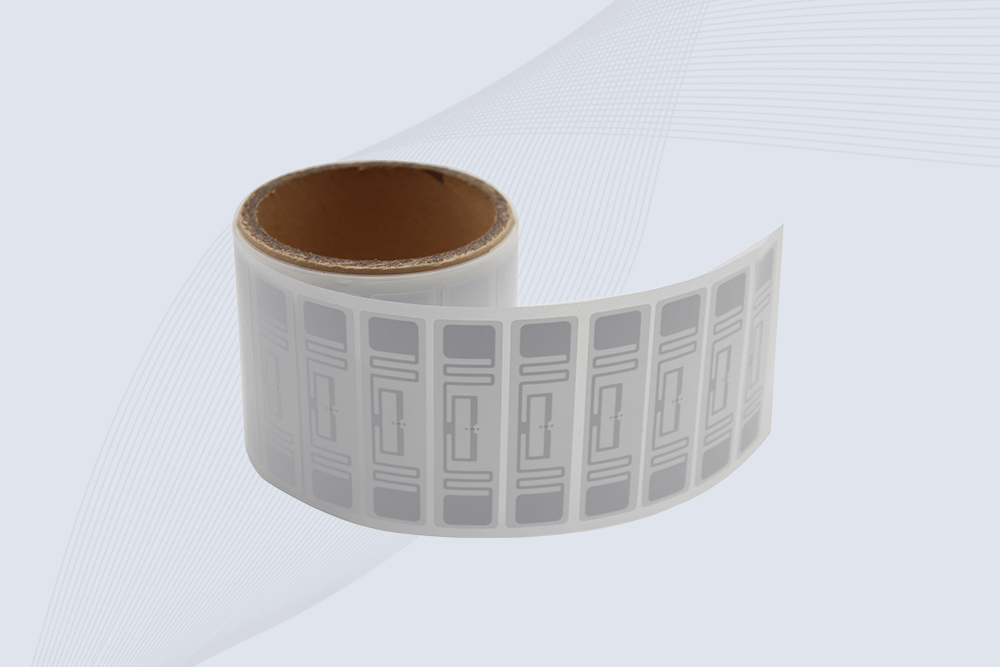
CYKEO RFID Asset Tag is designed for stable identification of metal assets in industrial environments. This UHF RFID Asset Tag is commonly used for rfid tag asset tracking on equipment, tools and containers, providing reliable reads, long service life and ISO/IEC 18000-6C support.
CYKEO UHF RFID Card is designed for fast identification and long-term use in industrial and commercial systems. Supporting ISO 18000-6C, this UHF RFID Card works at 860–960 MHz and is suitable for custom RFID cards used in asset tracking, access control and inventory management.
CYKEO HF RFID Cards are designed for secure and stable access control systems. These 13.56 MHz RFID key cards support ISO 14443-A, reliable rewriting and long service life, making HF RFID Cards suitable for offices, campuses, events and membership management.
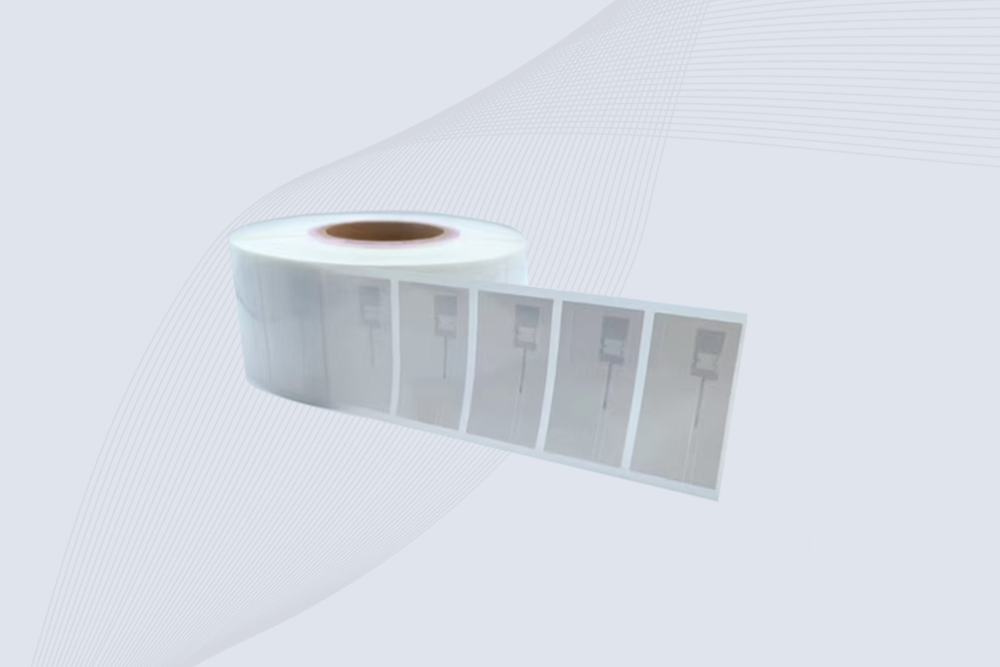
CYKEO UHF RFID Tag is designed for reliable tracking of metal jewelry and high-value items. This Jewelry RFID Tag supports long-range reading up to 8 meters, anti-counterfeit protection and stable performance on metal, making it suitable for retail, inventory control and asset management.
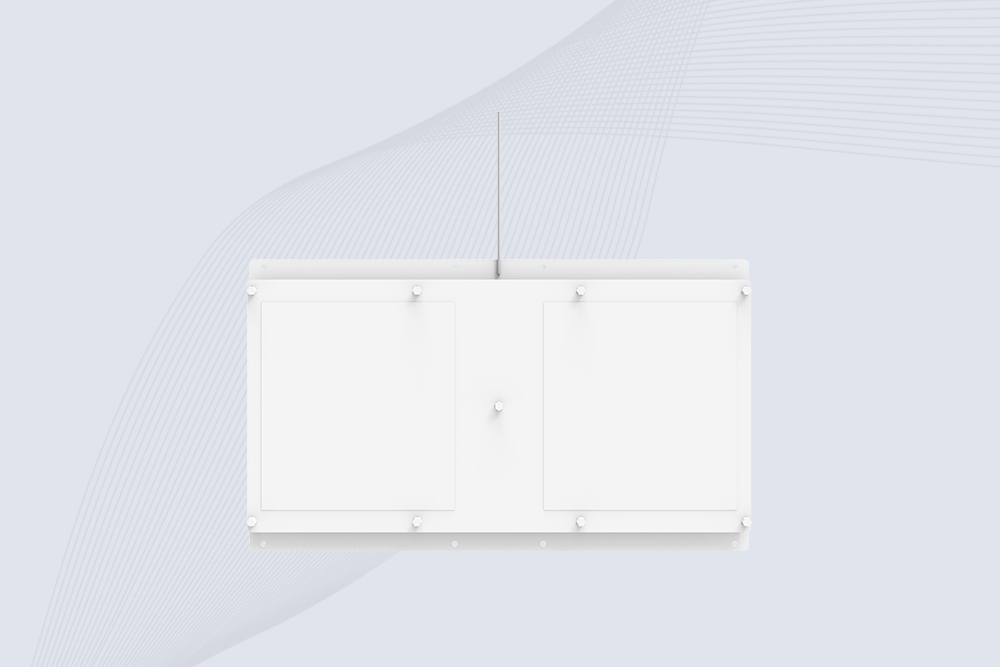
Cykeo CYKEO-A11 UHF RFID reader antenna delivers 11dBi gain, 840-960MHz frequency range, and IP65 ruggedness for retail, logistics, and industrial RFID systems. Features low VSWR and easy installation.

CYKEO Antenna RFID Reader delivers stable long-range UHF performance with a 10.5dBi directional design, built for warehouses, conveyor portals, and industrial RFID systems. This rfid reader antenna provides 20m+ read distance and rugged IP67 protection.

Cykeo CYKEO-PHF3 industrial HF RFID Antenna offers 24-point dynamic tracking, ISO 14443A/15693 protocols, metal-environment stability for archives/libraries/manufacturing.

Cykeo CYKEO-A5B industrial Linear RFID Antenna delivers 5dBi gain, ≤1.5:1 VSWR, and IP65 rugged design for warehouse, production line, and logistics UHF systems.

Cykeo’s CYKEO-B12 Long Range RFID Antenna delivers 15m+ read range with 12dBi gain, IP65 rugged design, and global 840-960MHz UHF support. Ideal for warehouse/logistics asset tracking.
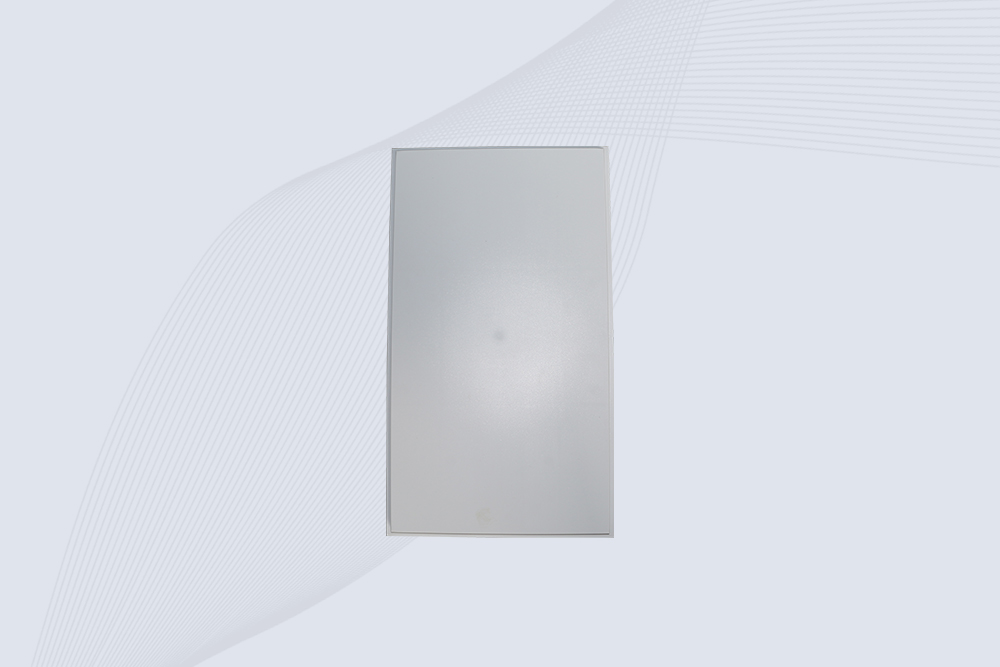
Cykeo CYKEO-B10 Long Distance RFID Antenna offers 10dBi gain, 840-960MHz frequency range, IP65 rating, and 20m+ coverage for logistics/warehousing/ETC systems. Low VSWR ensures stable signal transmission.
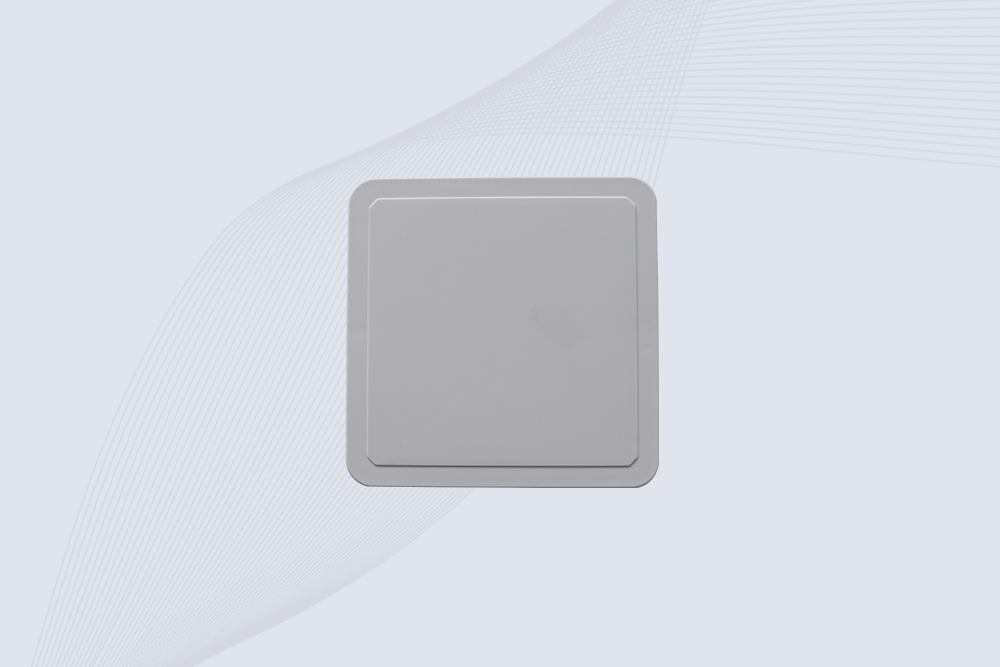
Cykeo CYKEO-A6 UHF RFID panel antenna features 6dBi gain, 840-960MHz broadband, IP65 metal-ready housing for logistics/smart retail. 18mm ultra-thin design with tool-free mounting.

Cykeo CK-A3 industrial antenna RFID UHF offers 5m+ tag detection, ≤1.3:1 VSWR, IP65 rugged design, and global UHF spectrum compatibility (840-960MHz) for warehouses, factories, and retail.
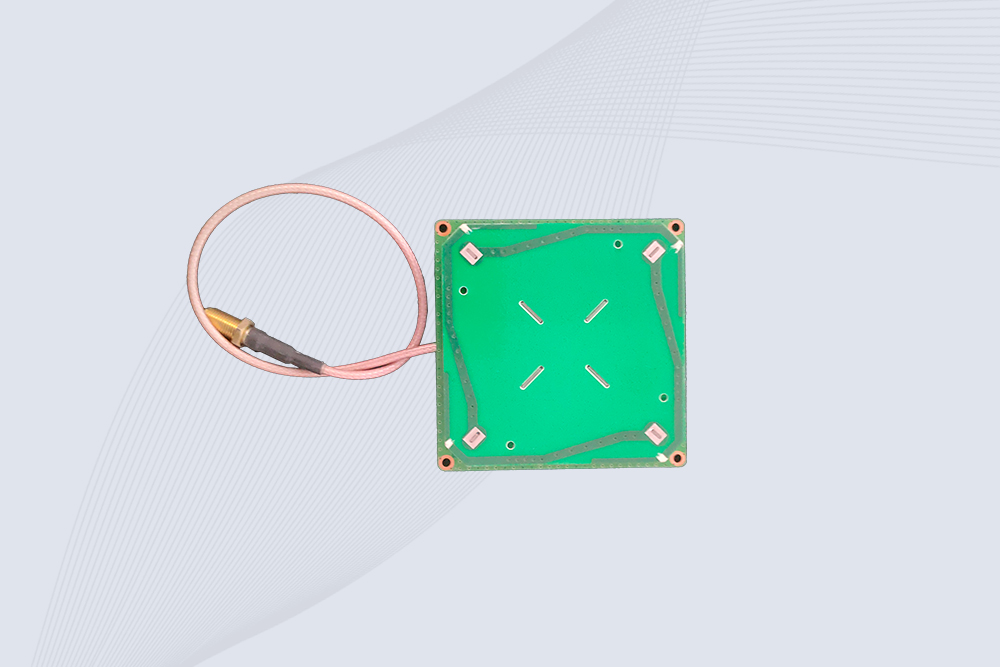
Cykeo CYKEO-B5 directional RFID antenna provides 5dBi gain with 60° narrow beamwidth for precise inventory tracking. IP65-rated, global UHF frequency support, and low VSWR.
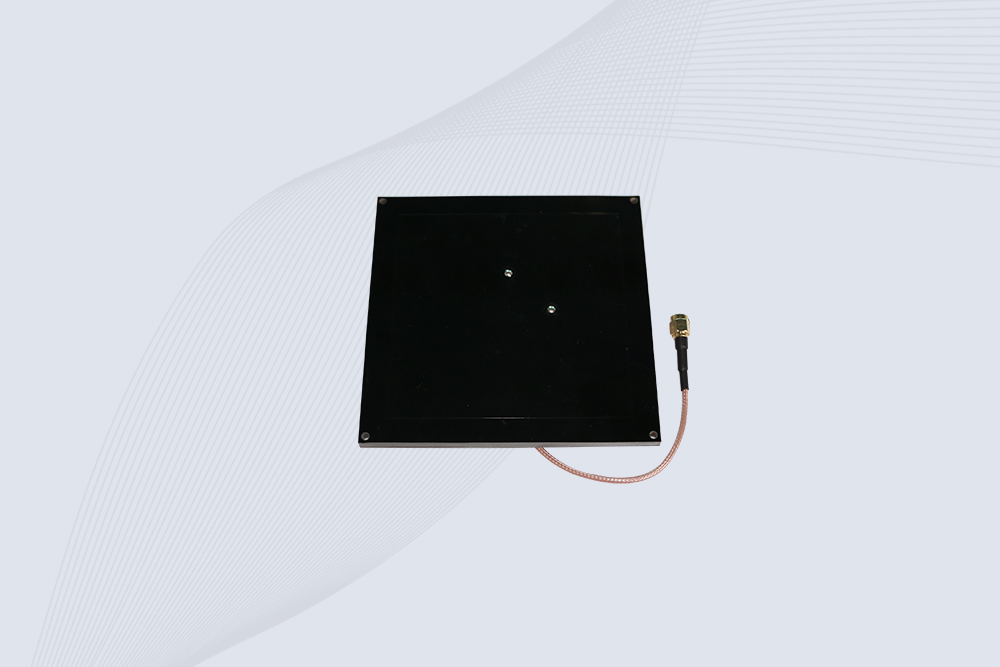
Create your own high-performance DIY RFID antenna! 5dBi gain, 840-960MHz tunable, step-by-step guides. Compatible with Arduino, Raspberry Pi, and commercial UHF readers.
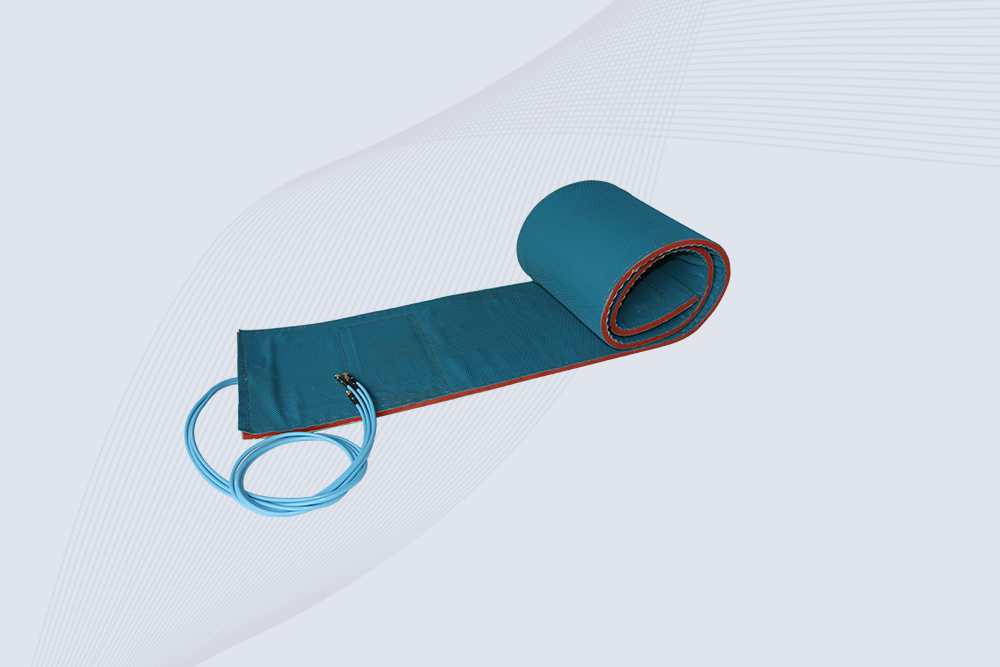
Cykeo CYKEO-A7 Flexible RFID Antenna features 840-960MHz wideband tuning, 7dBi gain, and IP68 rating for medical/retail/industrial curved surface deployments. 98% read accuracy with peel-and-stick installation.

Cykeo CYKEO-B5A industrial Passive RFID Antenna delivers 5dBi gain, 70° beamwidth, and -40°C~55°C operation for warehouses/smart cabinets. Compatible with Zebra/Impinj readers.
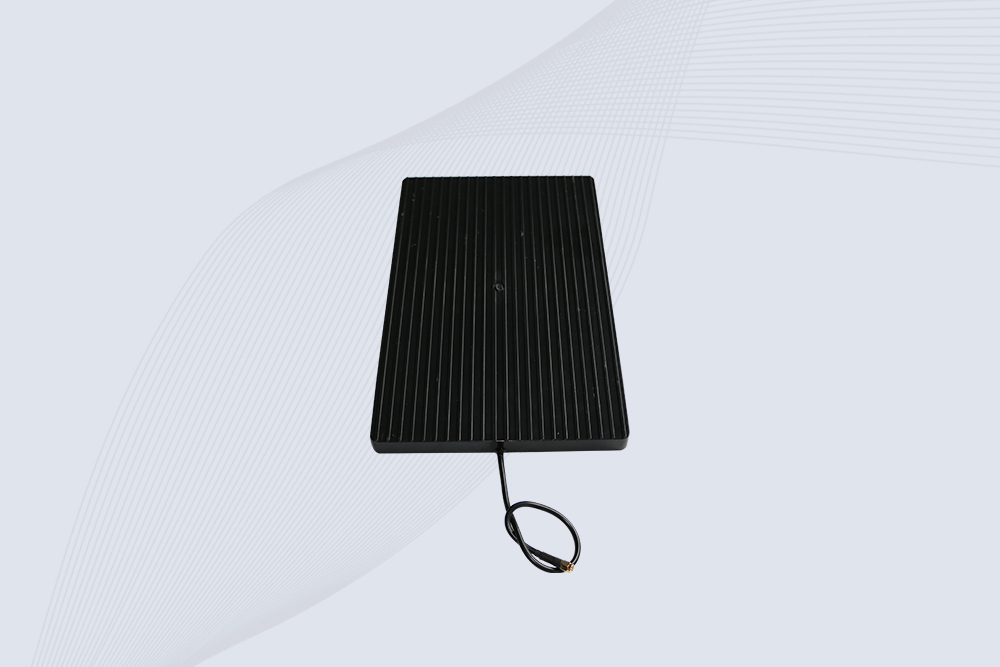
Cykeo’s CYKEO-A9B High Gain RFID Antenna delivers 15m+ read range with 9dBi amplification. Features IP54 rugged design, 840-960MHz bandwidth, and 80° beamwidth for warehouse/manufacturing RFID systems.

Cykeo’s enterprise-grade 8dbi Impinj RFID Antenna 10m+ read range with 840-960MHz tuning. Features IP65 housing, 1.4 VSWR, 35° beamwidth for retail/warehouse RFID systems.
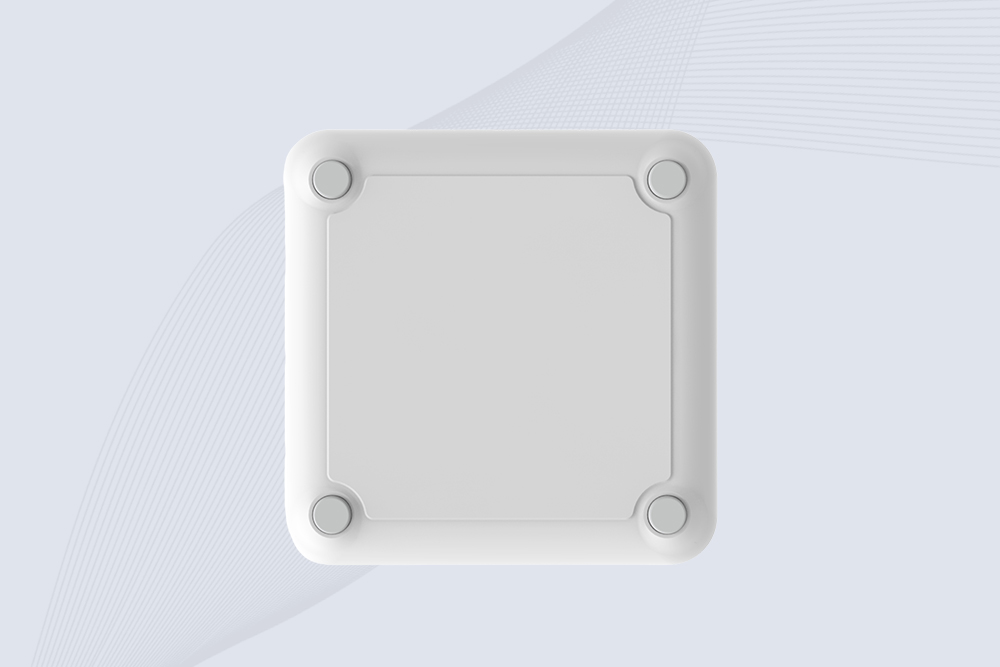
Cykeo CYKEO-A9 industrial UHF RFID antenna delivers 9dBi gain, 840-960MHz frequency range, and IP65 protection for warehouse/logistics/retail RFID systems. Features N-type connector and ≤1.3:1 VSWR.
CYKEO UHF RFID Antenna built for long-distance and industrial applications. This antenna rfid uhf delivers strong gain, outdoor durability, and reliable tag performance in warehouses, yards, and vehicle ID systems.
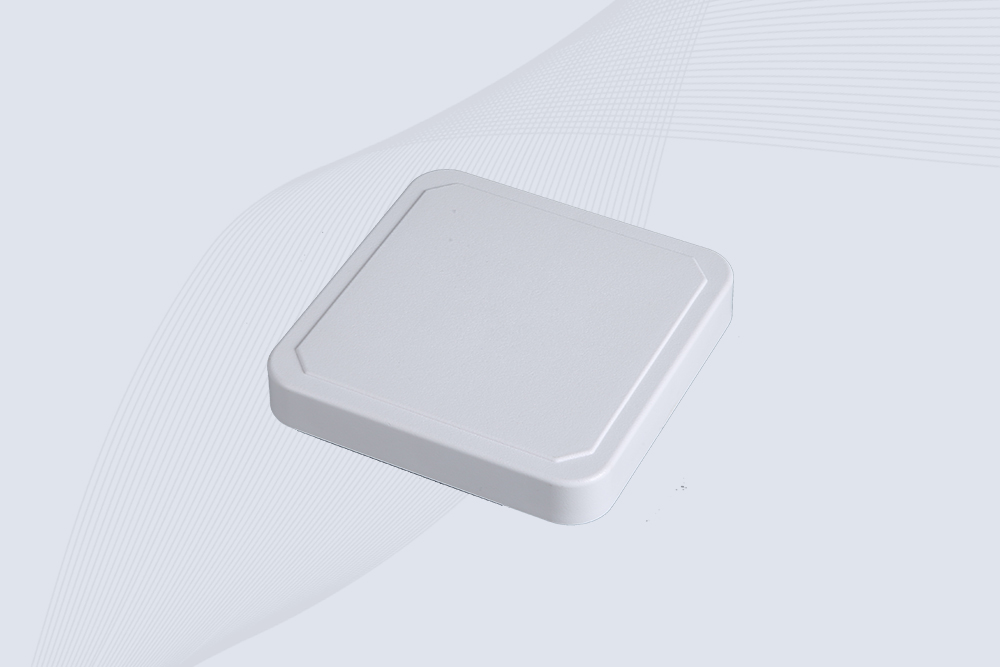
CYKEO Antenna RFID delivers reliable long-range UHF performance in warehouses, retail shelves, and cold-chain environments. This compact uhf rfid antenna provides stable reads with circular polarization and ultra-wide 840–960 MHz support, ideal for industrial tracking, smart shelves, and asset monitoring.
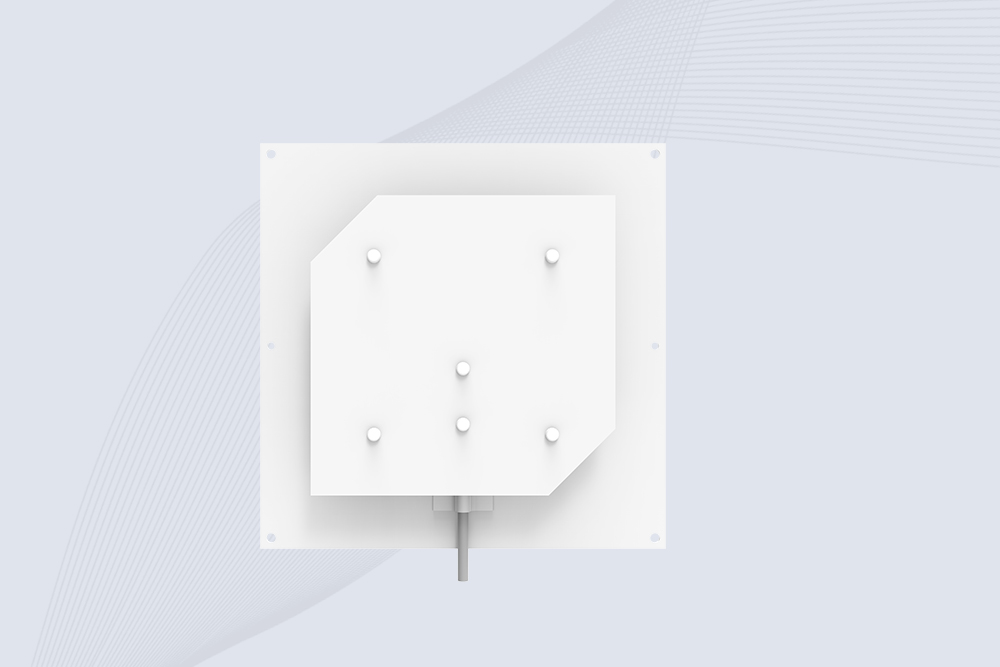
Cykeo’s CYKEO-C8 UHF RFID antennas delivers 8dBi gain, 840-960MHz full-band coverage, and IP65 ruggedness for manufacturing/warehouse RFID systems. Industrial RFID Antennas Features
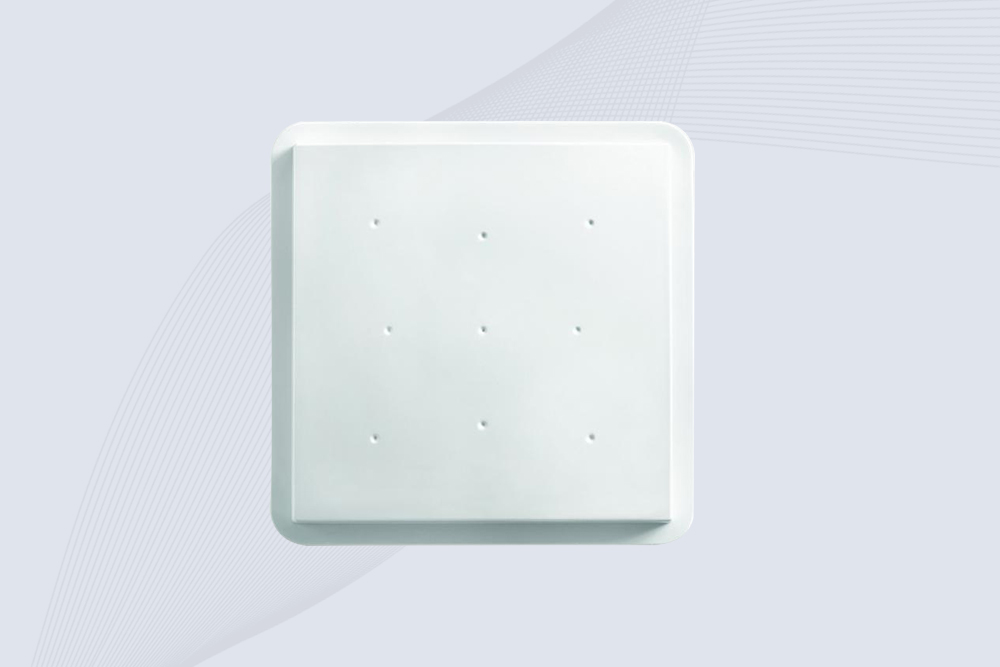
Cykeo’s 8dBi UHF RFID antenna and reader kit delivers 10m+ range, 840-960MHz broadband, and IP65 ruggedness for factories, warehouses, and logistics. ISO 18000-6C & EPC Gen2 certified.
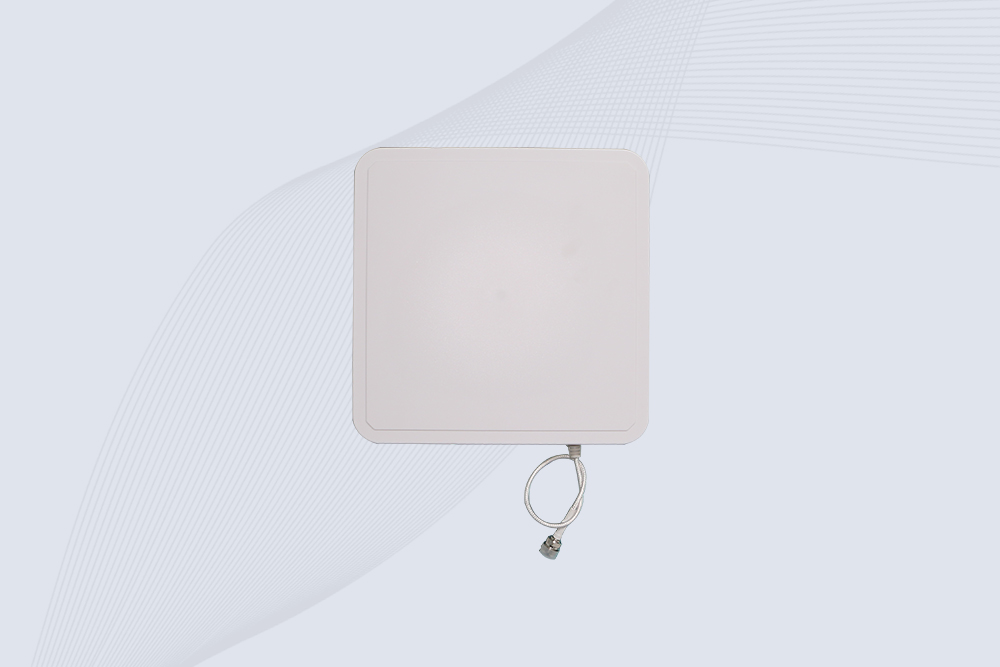
Cykeo CYKEO-A9A industrial UHF RFID reader and antenna kit delivers 10m range, 500 tags/sec, IP65 ruggedness for manufacturing/logistics. Supports EPC Gen2, ISO18000-6C.
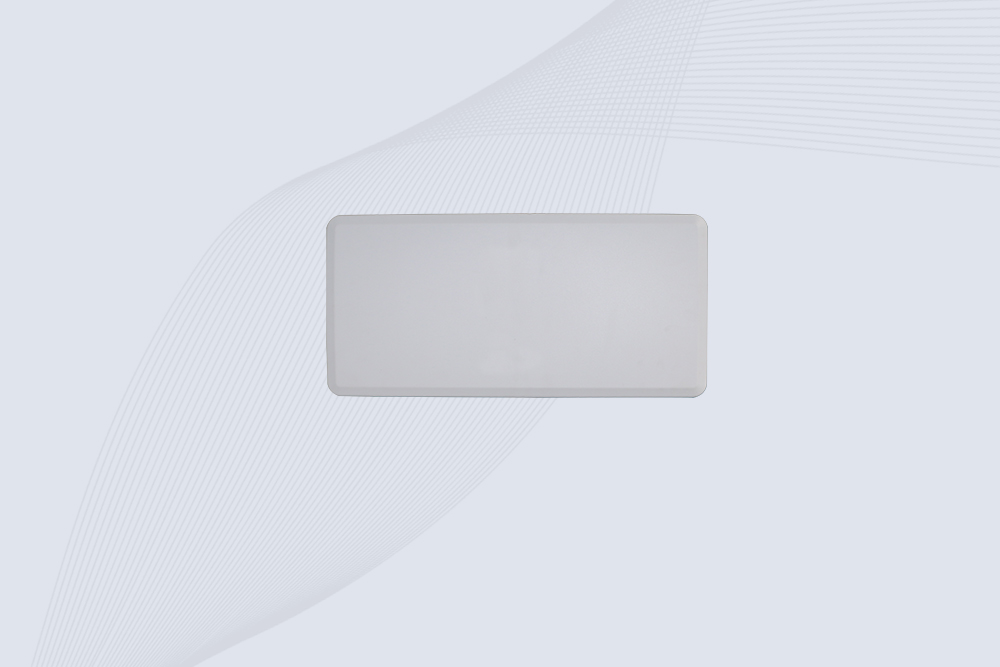
Cykeo’s CYKEO-A12C UHF Large RFID Antenna delivers 12dBi gain, 840-960MHz global frequency, IP65 ruggedness for logistics/warehousing/automotive. 40° beamwidth ensures stable 15m+ tag reads.

CYKEO Near Field RFID Antenna provides precise 5–30 cm reading for shelves, cabinets, and workstations. This compact rfid shelf antenna delivers stable short-range performance around metal and clutter, ideal for pharmacies, libraries, and electronics sorting.
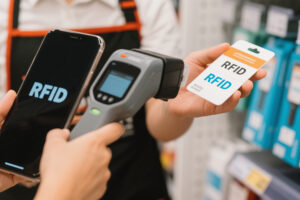
Discover budget-friendly RFID solutions tailored for small businesses. Learn how to reduce errors, save time, and scale operations without breaking the bank.
More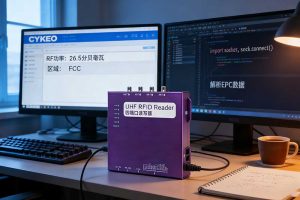
Learn what it truly means to program an RFID reader. Our guide covers configuration, software integration, and the realities of custom firmware development.
More
How to use RFID on iPhone for real UHF applications. Learn how CYKEO’s Bluetooth RFID reader enables long-range RFID scanning on iOS.
More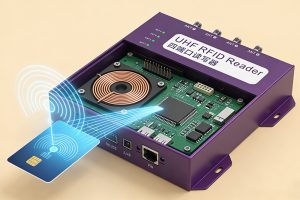
Wondering "how does RFID card reader work"? Discover the step-by-step process from electromagnetic activation to data decoding. Full explanation of RFID reader technology with CYKEO.
More