 Cykeo RFID IoT Solution Products R&D Manufacturer
How to Build an RFID Tool Tracking System Step by Step Industrial Guide
0Learn how to build an RFID tool tracking system step by step. From RFID tags to tool cabinets and software integration, this guide covers everything you need.
MoreAll RFID Product
Building an RFID system in a lab is one thing.
Getting it to work consistently inside a factory, warehouse, hospital, or tool room is something else entirely.
A lot of RFID projects look successful during early testing, then start running into problems after deployment:
In most cases, the issue isn’t the RFID technology itself. It’s how the module was integrated into the real environment.
For companies developing RFID-enabled equipment, understanding how RFID reader modules behave outside ideal conditions can save a huge amount of troubleshooting later.
RF signals behave differently depending on the environment around them.
Inside an industrial site, RFID systems often have to deal with:
A module that performs perfectly on a clean test bench can behave very differently once installed inside a real product.
That’s one reason many integrators spend more time on testing and tuning than on the initial hardware selection.
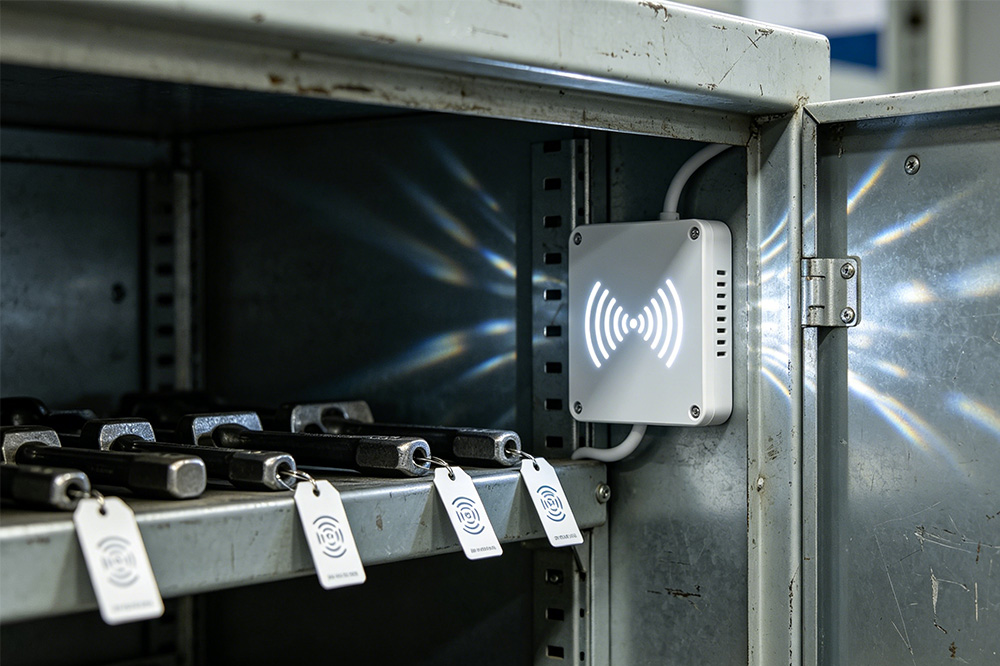
Many first-time projects focus entirely on the RFID module specifications.
But real-world performance depends on several things working together:
If one part is poorly designed, the entire system becomes unstable.
For companies still comparing hardware approaches, this guide on the difference between RFID modules and standalone readers is worth reading:rfid module vs rfid reader whats the difference
It helps explain why embedded modules are increasingly used in custom industrial systems instead of finished readers.
In real deployments, antenna layout affects performance more than most people expect.
Especially in:
Poor antenna positioning can create:
That’s why experienced integrators usually test multiple antenna layouts before finalizing a design.
Even moving an antenna a few centimeters can noticeably change read performance.
UHF RFID systems and metal environments have always been difficult together.
Metal surfaces can:
This becomes more obvious inside:
Good RFID systems are usually designed around the environment instead of trying to fight it later.
A lot of RFID problems actually happen at the software layer.
The module may read rfid tags correctly, but the application logic creates issues like:
That’s why stable SDK support is important during OEM development.
Good SDK documentation can dramatically reduce debugging time during integration.
For developers building custom embedded systems, this practical guide on how RFID reader modules are built is also useful:how to make rfid reader module
It gives a clearer picture of how RF hardware, firmware, and communication layers work together inside the module itself.
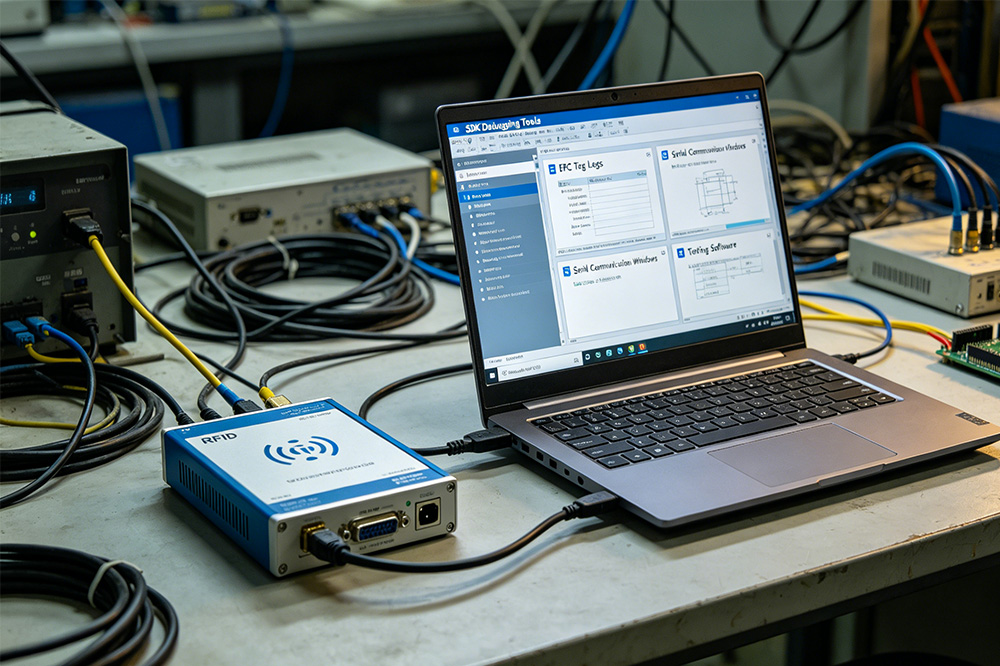
Single-tag reading is easy.
The real challenge begins when the system has to handle:
This is where anti-collision performance becomes important.
Many RFID systems only show problems once the tag count increases.
That’s why serious testing should always include:
Embedded RFID modules have become much more common over the last few years.
Partly because the hardware is now:
Instead of mounting large standalone readers externally, manufacturers can now build RFID directly into their products.
You can see examples of modern embedded RFID modules here:rfid reader module
These types of modules are commonly used in smart cabinets, handheld devices, industrial automation systems, and warehouse equipment.
Not every RFID project starts at enterprise scale.
A lot of developers first experiment with RFID through:
That’s often where people begin learning about antenna behavior, serial communication, and RFID integration challenges.
For smaller development projects and prototyping, this Arduino-compatible RFID reader guide is a useful starting point:
best arduino compatible rfid readers for diy enthusiasts top 5 pick
It’s especially helpful for understanding the basics before moving into larger industrial systems.
A stable RFID deployment usually comes from continuous adjustment.
Integrators often spend time tuning:
That tuning process is what separates a system that works “most of the time” from one that operates reliably every day.

In industrial environments, UHF RFID modules are increasingly being used as embedded infrastructure components.
They now appear inside:
For a broader look at how UHF RFID modules are being used in real operations, this article is worth exploring:
UHF RFID Reader Module,Real-World Solutions for Modern Operations
It covers how companies are applying embedded RFID technology beyond basic inventory scanning.
Most RFID systems don’t fail because the technology doesn’t work.
They fail because real environments introduce challenges that weren’t considered during early development.
Stable RFID performance usually comes down to:
And in most modern systems, the RFID reader module is the part quietly holding all of that together.
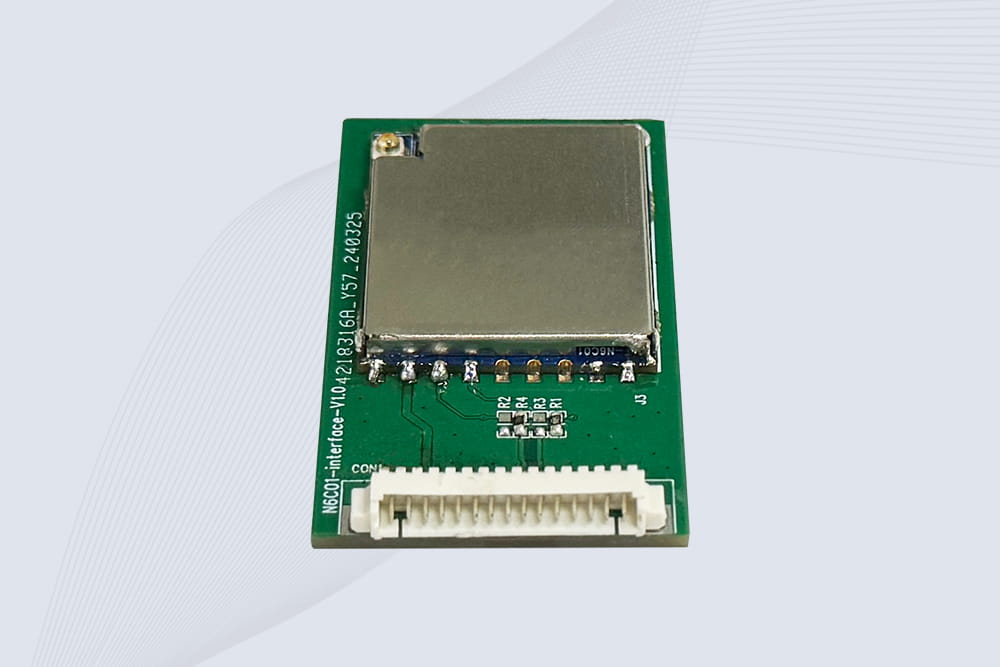
CYKEO Embedded RFID Modules are designed for compact industrial and IoT devices that require stable UHF performance. These UHF RFID Modules support global protocols, flexible power control, and reliable multi-tag reading for smart cabinets, production lines, and asset tracking systems.
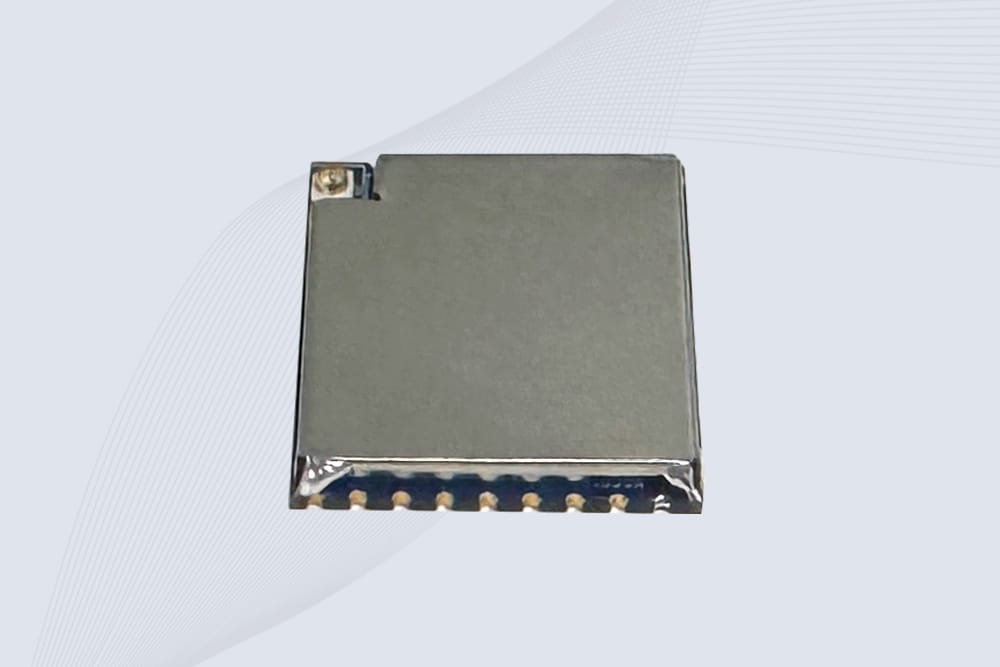
CYKEO Embedded RFID Module is built for compact IoT and industrial devices that need stable UHF performance. This UHF module supports global protocols, low power operation, and reliable multi-tag reading for smart lockers, production lines, and always-on RFID systems.
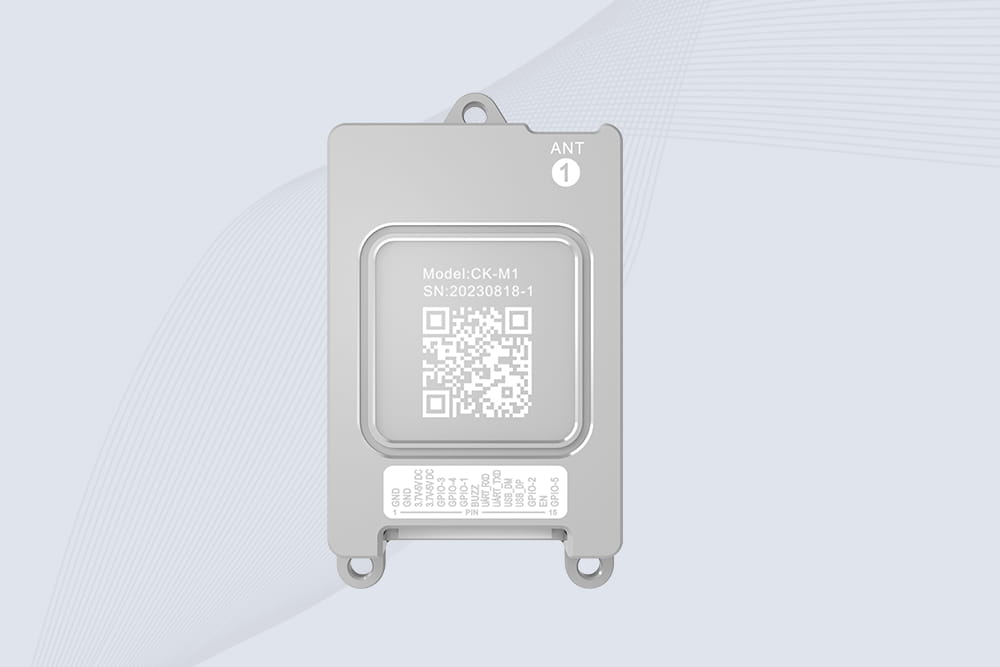
CYKEO CYKEO-M1 drone rfid module is a compact UHF RFID reader module designed for drones and UAV platforms. It supports long-range aerial scanning, fast multi-tag reading, and stable performance in wind, vibration, and outdoor environments.
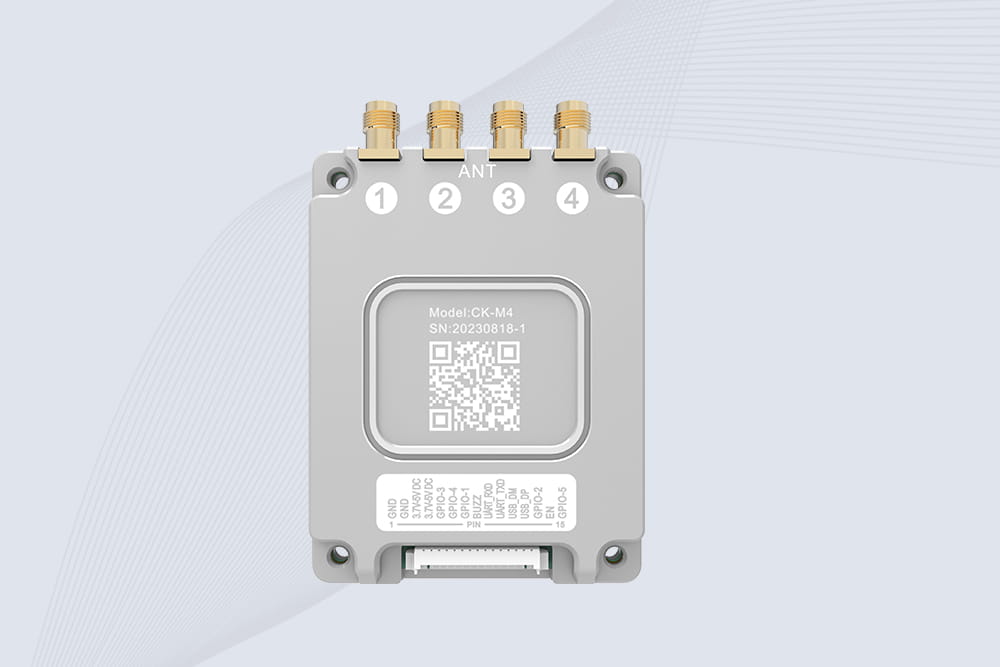
CYKEO CYKEO-M4 RC522 RFID Module is an industrial-grade UHF RFID reader with 4 ports, supporting ISO, EPC, and GB protocols. High-speed, accurate reading for IoT, automation, and warehouse applications.
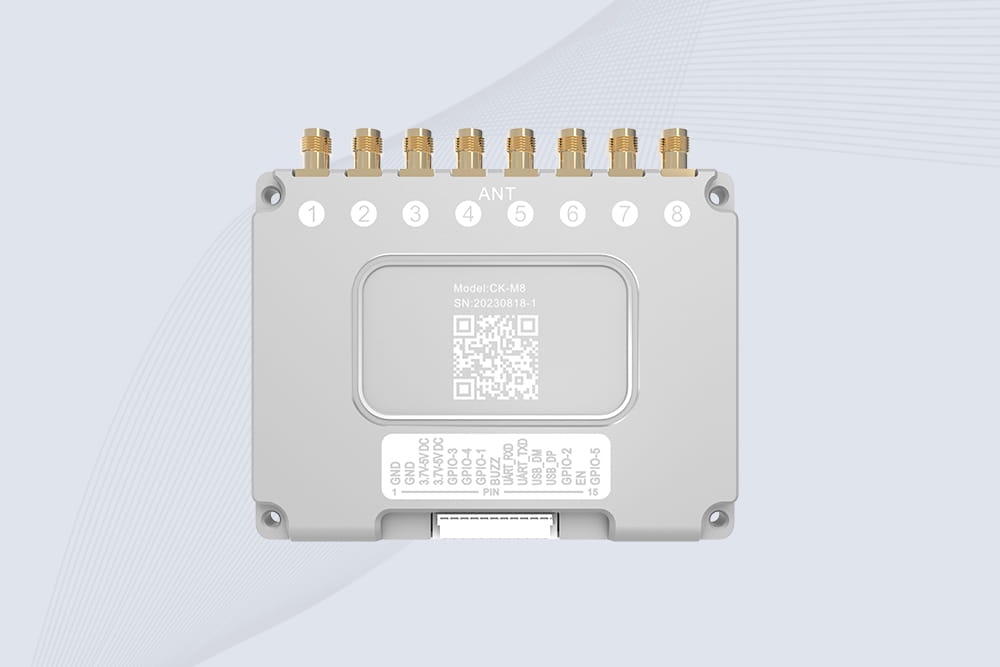
CYKEO CYKEO-M8 Module RFID is an 8-port UHF R2000 RFID Module designed for high-density, multi-tag environments. Stable 33dBm output, ISO & GB protocol support, ideal for warehouses, factories, and automated systems.
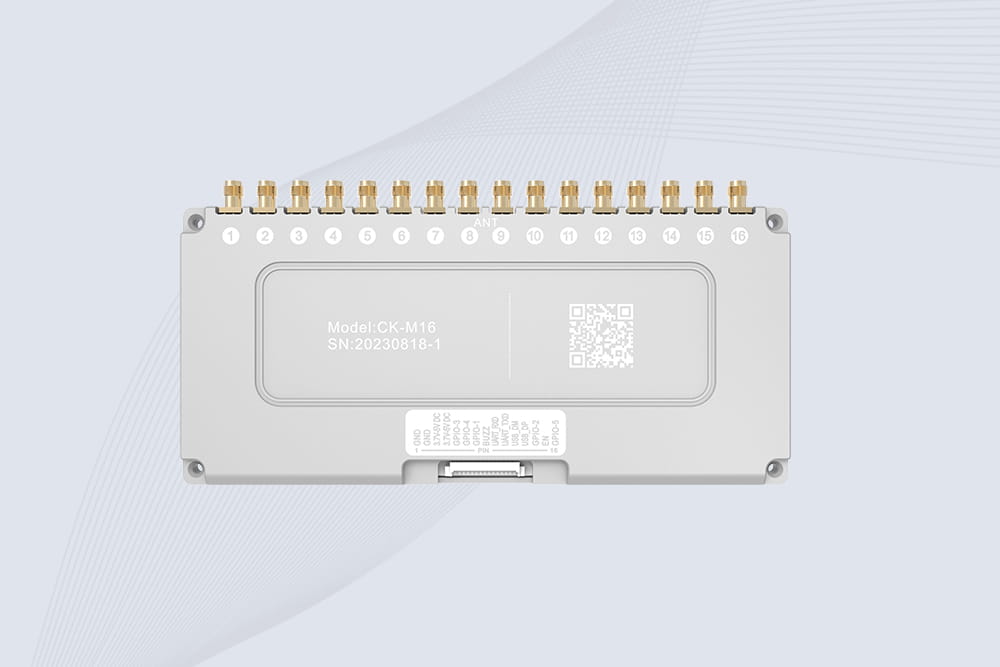
CYKEO CYKEO-M16 RFID Module is a 16-port UHF RFID reader module based on the R2000 chipset. Designed for dense tag environments, it supports ISO and GB standards and delivers stable multi-antenna control for industrial automation.
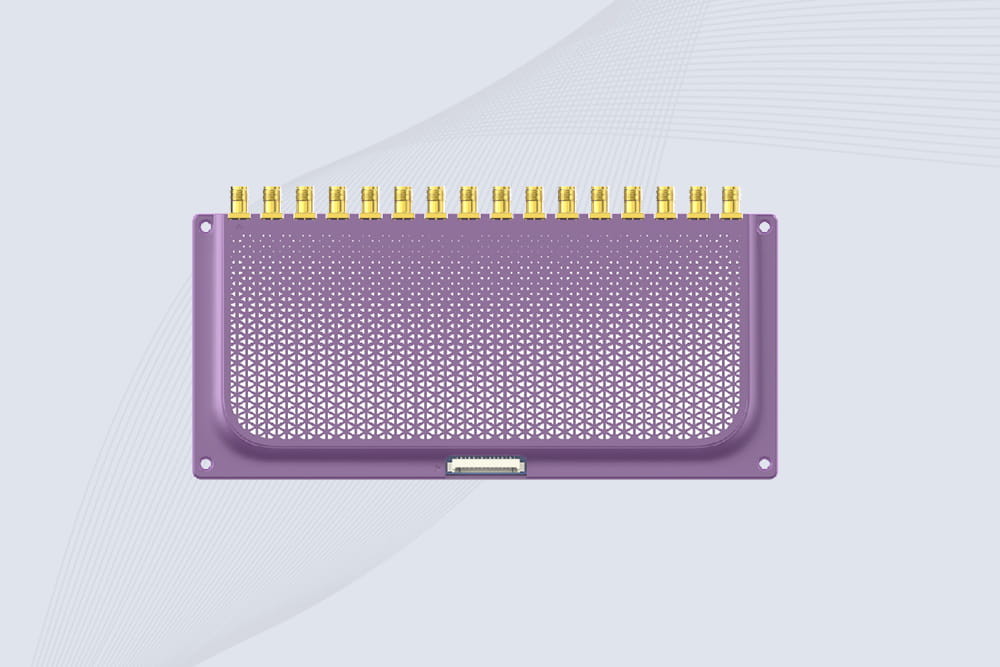
The CYKEO CYKEO-M16L RFID Reader Module is a 16-channel UHF RFID core designed for dense tag environments. With adjustable 33dBm output, multi-protocol support, and stable multi-antenna control, this RFID Tag Reader Module fits industrial automation, warehouse systems, and large-scale IoT deployments.
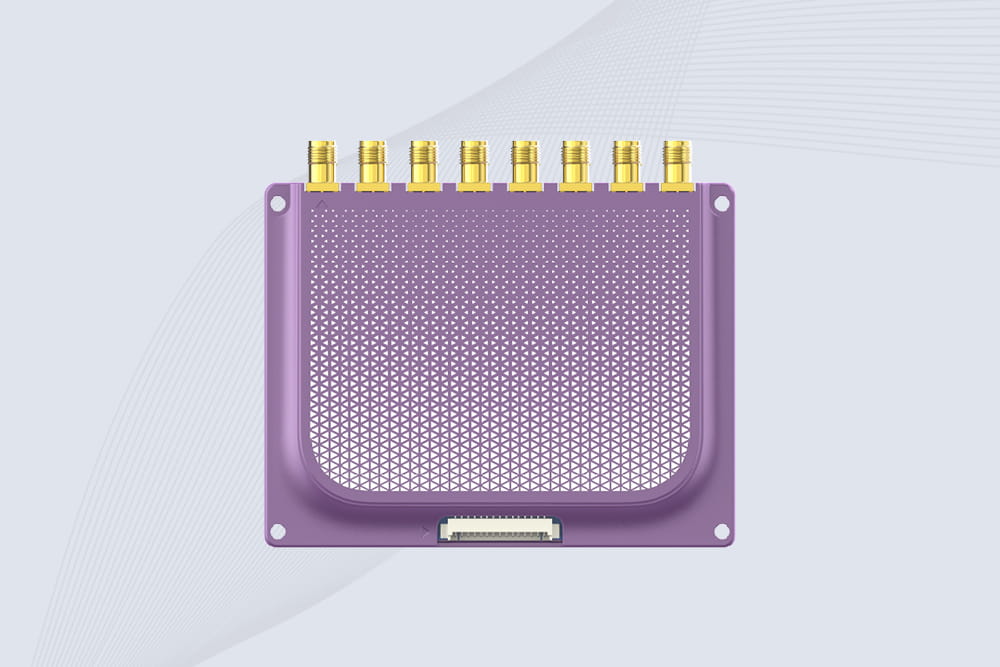
CYKEO CYKEO-M8L module RFID is a compact industrial UHF module built for dense tag and multi-antenna environments. With 8 RF ports, adjustable 33 dBm output, and ISO & GB protocol support, it is widely used in factories, warehouses, and automated tracking systems.
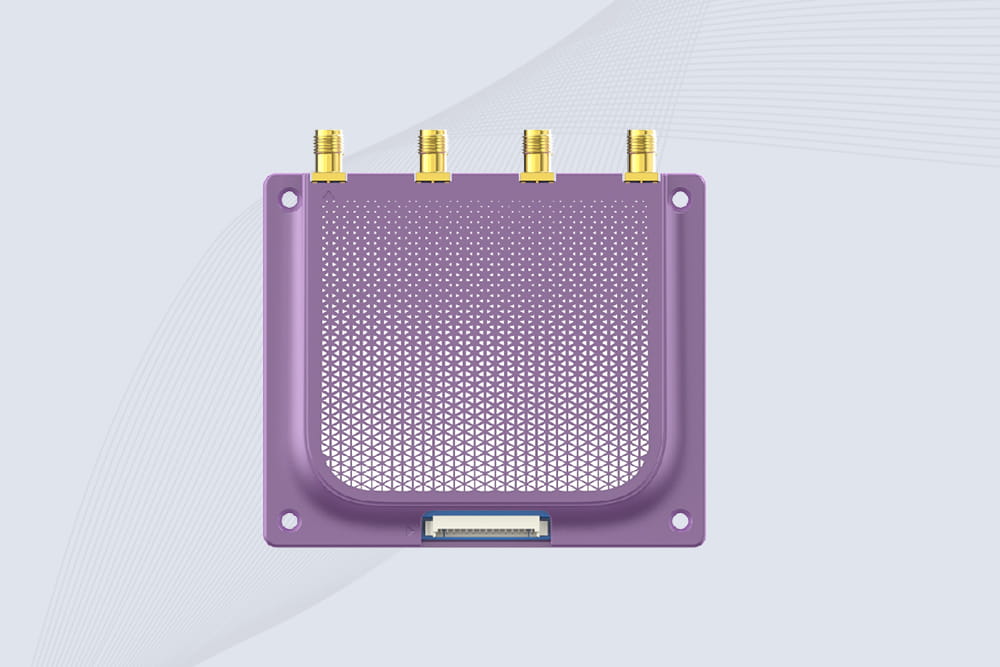
CYKEOCYKEO-M4L UHF RFID Module is a compact 4-channel RFID tag reader module designed for dense tag environments. Supporting ISO and GB protocols, it delivers stable reads up to 10 meters for industrial and IoT systems.

Learn how to build an RFID tool tracking system step by step. From RFID tags to tool cabinets and software integration, this guide covers everything you need.
More
how to read and write rfid tags with real devices. Field-tested workflow, data accuracy tips, and professional insights using Cykeo desktop encoders.
More
Vehicle RFID tags are essential components for smart vehicle identification, access control, and fleet management. They are widely used in parking lots, logistics parks, toll roads, and smart city systems to enhance management efficiency and secur...
More
Upgrade your library, warehouse, or retail space with the CK-DP4B Wall-Mounted RFID Kiosk. Fast, secure, and efficient self-checkout and real-time asset tracking. Streamline your operations today.
More